
Add Row
Add Element
Broadway buzz logo
update
London's Broadway Buzz
update
Add Element
  • Home
  • Categories
    • Star Stories
    • Backstage Access
    • Musical History
    • Broadway Talks
    • Weekly Wrap
    • Director's Cut
    • Fan Spotlight
    • London Music Scene
October 27.2025
3 Minutes Read

Discover How N.Y.C. Drives Dreams in Annie's Iconic Dance Scene

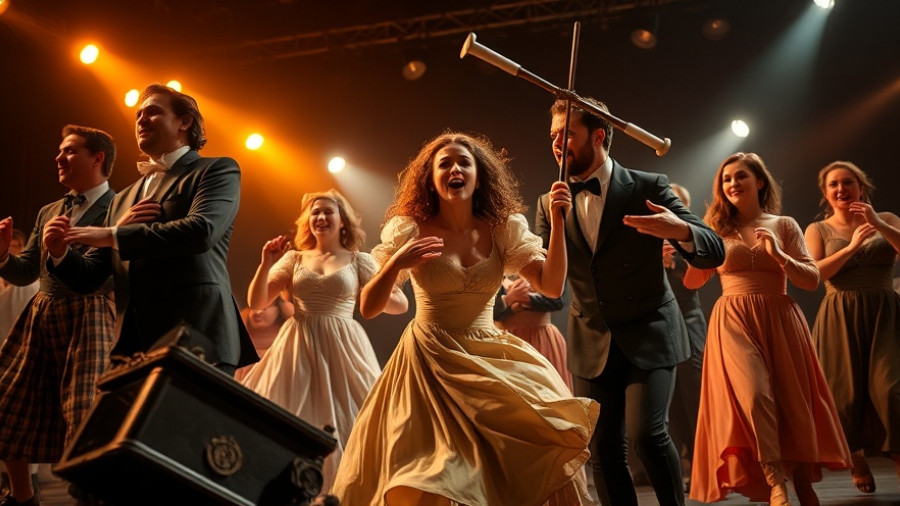
N.Y.C. Dance Break in Annie theatrical scene with performers.

The Pulse of the City: How 'N.Y.C.' Captivates Audiences

In the vibrant tapestry of the musical Annie, the song "N.Y.C." serves as a pivotal moment that resonates deeply with audiences of all ages. As Annie proclaims her love for New York City, she embodies the dreams and aspirations of countless individuals seeking their place in a bustling metropolis. The enchanting lines of the song paint a picture of a city that dazzles with energy and opportunity, drawing in those who feel they have yet to discover its magic.

In 'Annie: "N.Y.C." Dance Break (Excerpt) | Stratford Festival 2025', the performance shines a light on the excitement and dreams tied to city life, prompting us to delve deeper into its cultural impact.

The Power of Musical Storytelling

Musicals like Annie leverage music and dance to tell powerful stories. The excitement portrayed in "N.Y.C." is not just about the visual allure of the city but also about the emotional upheaval that accompanies such passion. The character’s journey reflects a broader narrative—a universal pursuit of happiness, belonging, and self-discovery. The appeal to dance in this scene emphasizes the joy and excitement of youthful hope, making the city feel alive through Annie's eyes.

Why New York City Matters in Cultural Narratives

New York City is portrayed as a vibrant character in itself within Annie. The city's depiction as a place that "blinks, tilts, and rings" illustrates its dynamic and unpredictable nature. For many, NYC represents a space where dreams can flourish, yet it can also highlight the struggles inherent in pursuing those dreams. This duality has made New York an enduring symbol in many artistic expressions, marking its significance in our cultural consciousness.

Emotional Connections to the City

The thrill of the unknown resonates profoundly with audiences as they witness Annie's childlike wonder. This emotional connection to the city taps into our own memories of exploration and discovery. It prompts us to reflect on our relationships with cities and the experiences that shape our identities. Each blink of a neon sign or shift of a subway car can symbolize a moment of significance in one's life, making the city a living canvas of individual stories.

Musical Themes of Hope and Resilience

At its core, "N.Y.C." encapsulates themes of hope and resilience. The vibrancy of the city juxtaposed with Annie's enthusiasm encourages us to embrace our dreams, no matter how distant they may seem. This theme is particularly relevant in today's world, where individuals strive to navigate challenges while remaining hopeful about their future. Musicals like Annie remind us of the transformative power of hope, even in the face of adversity.

Revisiting the Timeless Message Through Performance

As excerpts like the recent dance break from the Stratford Festival 2025 bring new life to familiar tunes, they invite both old and new audiences to engage with these timeless messages. Engaging performances breathe new energy into classics, showcasing cultural evolutions while maintaining the heart of the original work. Through vibrant choreography and expressive storytelling, productions continue to highlight how art influences our understanding of our surroundings.

Embracing the Magic of Broadway

Broadway has a unique place in American culture and continues to captivate hearts with stories that resonate globally. Productions like Annie celebrate the magic of theater and the connections made within these stories. This connection fosters a sense of community, reminding us that we are not alone in our struggles and aspirations. As such, "N.Y.C." not only serves as a celebration of New York City but also of the universal quest for hope, fulfillment, and connection.

Through music and movement, Annie allows us to share in Annie's excitement, reminding us of the vitality of art in our lives. So, the next time you hear the call of the city, may it inspire you to chase your dreams unabashedly, just as Annie does.

London Music Scene

123 Views

0 Comments

Write A Comment

*
*
Please complete the captcha to submit your comment.
Related Posts All Posts
04.09.2026

Why *Death of a Salesman* Archetypes Resonate With Today's Audiences

Update Exploring Archetypes in Miller's Classic Arthur Miller's iconic play, *Death of a Salesman*, is more than just a theatrical production; it is a mirror reflecting our personal experiences and familial dynamics. During rehearsals for the Stratford Festival’s 2026 adaptation, director Dean Gabri remarked on the resonant power of Miller's archetypes, noting how audience members often recognize their loved ones in characters like Willy Loman and Linda Loman. This familiarity breathes new life into the narrative, showcasing its enduring relevance in a contemporary context.In 'Death of a Salesman: Archetypes | Stratford Festival 2026', the exploration of familial connections prompts us to reflect on how these archetypes influence our understanding of self and each other. The Personal Connection to Archetypes Miller’s characters transcend their fictional origins, becoming archetypes that people readily identify with. For instance, many have exclaimed, "My dad is such a Willy Loman," or "Mom is definitely a Linda," expressing indelible connections to the emotional landscapes portrayed in the play. These statements underline how Miller’s writing captures the essence of struggle, hope, and familial obligation, evoking a sense of shared humanity across generations. The Significance of Familiar Relationships As Gabri highlighted, the term “archetype” reflects how these characters manifest in our everyday lives. For example, neighbors like Charlie who embody the traits of being thoughtful and supportive can be found in every community. This familiarity invites audiences to witness not just a portrayal of a single family's disintegration, but a commentary on the broader social fabric defined by similar menches who act selflessly toward others. Why *Death of a Salesman* Remains Relevant More than just a piece of literature, *Death of a Salesman* serves as a critical exploration of the American Dream and the price of unattainable expectations. In a world that often values success over well-being, Willy Loman’s journey becomes a cautionary tale about the dangers of defining oneself through professional accomplishments rather than personal connections. In this sense, the play invites reflection on how we measure success and fulfillment. Lessons for Today’s Audiences The reflections shared in the rehearsal room underscore a powerful insight: *Death of a Salesman* is perhaps more relatable today than ever. Modern audiences still grapple with the pressures of societal expectations and the quest for recognition. Gabri’s observations challenge viewers to examine their own lives and the roles they play within their families. Who do we identify with most? How do our own experiences echo in Willy's struggles? These questions are crucial in fostering a deeper understanding of the play's themes. Conclusion: The Timeless Impact of Miller's Work As audiences prepare for the Stratford Festival's upcoming adaptation, they are reminded of the profound connections that emerge when art intersects with personal experience. Through a thoughtful examination of relationships and personal archetypes, *Death of a Salesman* continues to offer valuable insights into the human condition. Just as Dean Gabri mentioned in rehearsal, the characters we see on stage become part of our lives—urging us to reflect on our own stories and the impact they have in our communities.

04.07.2026

Exploring the Concept of Trust in Theatre: Insights from A Midsummer Night's Dream

Update The Magic of Trust in Theatre In any collaborative art form, especially in theatre, the foundation of great performance lies in trust. As Graham Abbey eloquently states in a recent video about his directorial vision for the 2026 production of A Midsummer Night's Dream, "you move at the speed of trust." This phrase encapsulates the essence of what it means to create art together. When actors, designers, and directors trust one another, the end result is not only a production but a shared experience that resonates deeply with the audience.In A Midsummer Night's Dream: The Speed of Trust | Stratford Festival 2026, Graham Abbey sheds light on the importance of trust in theatrical productions, prompting deeper analysis of its significance in artistic collaboration. Connecting Through Collaboration Abbey believes in the power of collaboration to transform a mere script into a living, breathing entity on stage. The director's challenge is not merely to oversee, but to inspire a sense of unity among the cast and crew. This theme of trust can be parallel to the bonds formed in any tightly-knit community, where collective efforts yield greater results than individual ones. Each rehearsal and production meeting helps to build this foundation, as each member learns to rely on his or her teammates. It’s this sense of community that ultimately brings magic to the performance. The Role of Leadership in Creative Spaces Effective leadership is crucial in the arts, particularly in settings where creativity thrives on collaboration. Abbey’s commitment to ensuring everyone feels valued and connected is a testament to a growing understanding of participatory leadership in theatre. This approach encourages not only confidence in one's performance but also a shared investment in the outcome. A leader in a creative space must foster an environment where trust flourishes, ensuring that everyone feels safe to take the leap into the unknown of an evolving production. Personal Stories and Collective Experiences Theatre is not only an art form; it is a collection of personal stories woven together to create a fabric of shared experience. When actors step on stage, they bring with them their own unique narratives, which can add depth and authenticity to the performance. Abbey’s understanding of this connection enhances his work as a director, allowing him to tap into the emotions that lie beneath the surface of Shakespeare’s text. By building trust, he grants space for these stories to interlace, enriching the audience's experience as they watch disparate threads come together on stage. A Look Ahead: The Future of Collaborative Theatre As theatre continues to evolve, the emphasis on trust, collaboration, and shared storytelling will remain pivotal. Future productions may further explore dynamic partnerships within cast and crew, as emerging technologies and storytelling methods broaden the canvas upon which artists can paint. The notion that artistic endeavors move at the speed of trust will likely inspire new forms of theatre-making that seize on spontaneity and responsiveness, making for unforgettable experiences. Take the Leap into the World of Theatre If you’re passionate about the arts, consider exploring local theatre productions or participating in community events. Engaging with such collaborative projects allows you to witness firsthand the beauty of trust in motion and become an integral part of the narrative. Theatre is about connection—both with the stories we tell and those we share them with. So go ahead, take the leap, and immerse yourself in the vibrant world of theatre.

04.05.2026

Discover the Joy of Jukebox Musicals: Their Impact and Future

Update What is a Jukebox Musical? If you've ever found yourself humming along to catchy hits while watching a performance, you might have experienced a jukebox musical, even if you didn’t know the term! Jukebox musicals are theatrical productions that weave together popular songs, often from a particular artist or era, to tell a new story. Think of them as a delightful blend of concert and play—where familiar tunes serve not only as entertainment but as a means of storytelling.In 'What's a jukebox musical?', the discussion dives into the genre's rich narrative and engaging format, exploring key insights that sparked deeper analysis on our end. The Rise of Jukebox Musicals Since their emergence in the late 20th century, jukebox musicals have been captivating audiences around the globe. The genre gained particular popularity with productions like “Mamma Mia!,” which used the timeless tracks of ABBA. These shows provide a unique experience, allowing audiences to connect with the music they love while engaging in a fresh narrative. The rise of this genre can be attributed to its accessibility—who doesn’t enjoy a sing-along to their favorite songs? Creating a Heartfelt Connection Jukebox musicals create a special bond between the performers and the audience. The selection of songs often evokes nostalgia, connecting viewers to their personal memories tied to the music. This is particularly evident in shows that leverage a specific decade's music, as they transport audiences back to a time resonating with their youthful experiences. This emotional draw is key to why these productions remain so vibrant and popular. A Closer Look: “Girl from the North Country” “Girl from the North Country” is a contemporary jukebox musical that showcases the works of Bob Dylan while exploring themes of hope and despair during the Great Depression. With its rich narrative and stirring melodies, the show invites audiences to not only enjoy Dylan's songs but to engage in deeper conversations about hardship and resilience. Productions like these highlight how jukebox musicals can also tackle poignant subjects, making them relevant to today’s social landscape. The Future of Jukebox Musicals As we look to the future of these vibrant productions, it’s exciting to see how they continue to evolve. Upcoming shows are expected to include not only classic rock and pop anthems but also new genres, tapping into diverse musical timelines. Change is on the horizon, reflecting our ever-evolving cultural tapestry. The lasting appeal of jukebox musicals lies in their ability to adapt and resonate with different audiences across generations. Don’t be surprised to see an influx of musicals celebrating the rich sounds of hip-hop or indie rock! Engaging Local Talent and Communities It’s not just on Broadway where jukebox musicals shine. Local theaters often produce their own interpretations, allowing communities to showcase local talent and connect residents through storytelling and music. These grassroots initiatives make the experience of a jukebox musical more relatable as local performers share stories that reflect the character, struggles, and triumphs of their own neighborhoods. Attending a jukebox musical in your area can be a heartwarming experience! Why Jukebox Musicals Matter Jukebox musicals celebrate a unique intersection of pop culture and theater, reminding us of the power of storytelling through song. They build bridges between generations, giving younger audiences a chance to experience the sounds of their parents and grandparents while creating fresh interpretations that speak to contemporary issues. This phenomenon isn’t just about entertainment; it’s an important cultural touchstone that fosters community and understanding. If you’re curious about the human connections behind these productions or eager to support your local theater community, immerse yourself in a jukebox musical today! Experience the songs that have shaped lives while contributing to your local arts scene, and you may just find a deeper appreciation for the melodies that resonate with us all.

Terms of Service

Privacy Policy

Core Modal Title

Sorry, no results found

You Might Find These Articles Interesting

T
Please Check Your Email
We Will Be Following Up Shortly
*
*
*