
Broadway buzz logo
update
London's Broadway Buzz
update
  • Home
  • Categories
    • Star Stories
    • Backstage Access
    • Musical History
    • Broadway Talks
    • Weekly Wrap
    • Director's Cut
    • Fan Spotlight
    • London Music Scene
February 06.2026
10 Minutes Read

Discover the Hidden Power of Jukebox Musicals to Transform Theater

Did you know? Jukebox musicals consistently outsell many original Broadway shows, proving that audiences crave the nostalgia and excitement these productions offer. The impact is undeniable—in the last decade alone, titles like Mamma Mia! and Jersey Boys have generated hundreds of millions in ticket sales and cast recordings, inspiring countless new productions and shaping theater trends globally. What makes these shows so irresistible, and why are they quickly becoming the definitive way for theater to engage new audiences?

Unveiling Jukebox Musicals: Surprising Trends and Their Theatre Impact

Jukebox musicals have redefined the modern stage musical by harnessing the emotional power of popular songs and giving them new life through inventive storytelling. Unlike traditional shows that rely on original scores, jukebox musicals use existing catalogues—often from iconic bands such as ABBA or legendary voices like Tina Turner—and build compelling narratives or biographical journeys around them. This unique format appeals both to longtime fans and newcomers, blending familiarity with theatrical innovation. Their box office dominance is hard to ignore; according to theater industry stats, these shows routinely outperform many original compositions, confirming their popularity and unique draw for diverse audiences.

The trend is more than just commercial—it is transformative. Jukebox musicals like Mamma Mia! and Jersey Boys influence how theatre is produced and consumed. Their triumph has led to a surge of new works, each seeking to mine the rich veins of rock, pop, and soul history for fresh inspiration. Productions such as Rock of Ages and &Juliet push creative boundaries and prove that the marriage of beloved music and innovative stagecraft can elevate both fan enjoyment and critical acclaim.

“Jukebox musicals often outperform original scores at the box office, underscoring their undeniable popularity.” – Theatre Industry Analyst

Broadway theatre exterior at night filled with crowds, glowing marquee lights, fashionable visitors, and dynamic city energy showcasing the excitement of jukebox musicals.

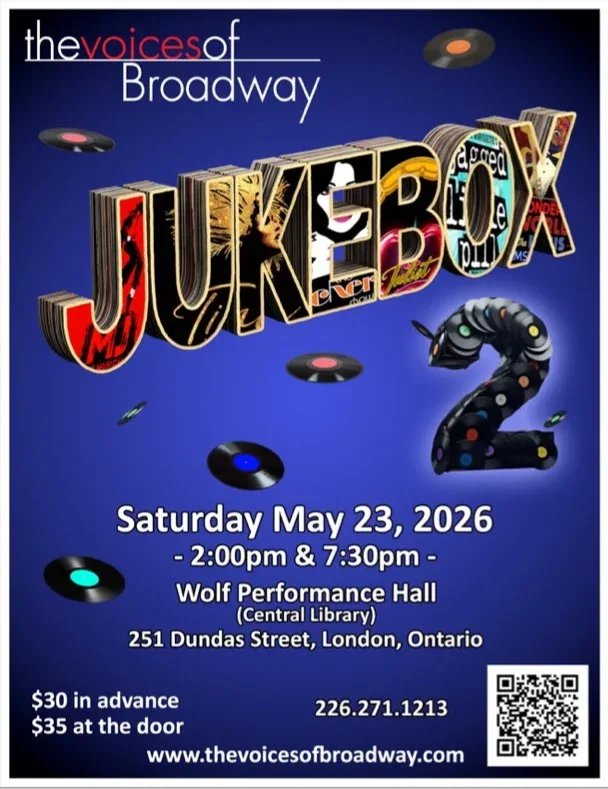
For those eager to experience the latest in jukebox musical innovation, the upcoming Jukebox 2 production promises a vibrant showcase of iconic hits and fresh interpretations, uniting generations of music lovers in a single, electrifying event.

Jukebox Musicals Defined: Origins, Styles, and Signature Traits

What is a jukebox musical? Exploring the Essentials of Jukebox Musicals

The term jukebox musical refers to a stage musical that constructs its narrative from well-known popular songs, rather than an original score. These musicals can focus on a specific artist—like David Bowie or Carole King—or draw from a broader era or genre. They have existed in some form since the mid-20th century, but their contemporary popularity exploded with blockbuster successes. From ABBA’s music in Mamma Mia! to the rock anthems in Rock of Ages, these productions invite audiences on a journey where the songbook is the superstar and the narrative often comes second. The allure lies in both nostalgia and recognition; people connect deeply to soundtracks that have soundtracked their lives.

Two primary forms of jukebox musicals have emerged: biographical, based on the life and times of an artist (like The Tina Turner Musical); and narrative, weaving songs into an original story, as seen in Mamma Mia! or &Juliet. The interplay between pre-existing songs and innovative storytelling draws both seasoned theatergoers and newcomers, making them a staple in modern Broadway and West End seasons.
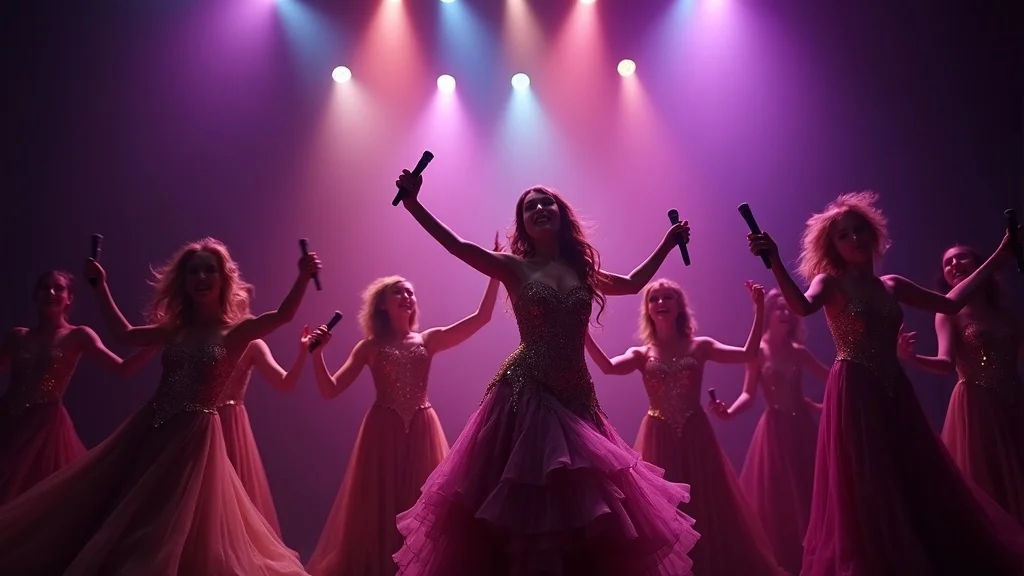

Dynamic stage performance featuring an ensemble cast singing and dancing with vintage microphones, capturing joy, nostalgia, and the essence of jukebox musicals.

Biographical Jukebox Musicals: From Tina Turner to Jersey Boys

Biographical jukebox musicals dig deep into the true stories of musical legends. Productions such as Jersey Boys recount the rise, struggles, and songs of Frankie Valli and the Four Seasons, while The Tina Turner Musical follows Tina Turner’s dramatic journey to stardom—complete with electrifying renditions of her greatest hits. Audiences witness real-life triumphs and heartbreaks through music they already love, making for a moving, relatable theatrical experience. These shows immerse fans in the life and times of their favorite stars, using the artists’ own songs to chart their evolution both personally and musically.

This format often inspires impressive critical and commercial success because it offers more than entertainment—it gives insight and depth into the personalities behind the music. Others, like A Beautiful Noise: The Neil Diamond Musical and Ain’t Too Proud: The Life and Times of The Temptations, have similarly celebrated the careers of chart-toppers by interweaving original Broadway cast performances with authentic, beloved recordings.

Narrative Jukebox Musicals: Creating Stories from Songs like Mamma Mia and &Juliet

Narrative jukebox musicals take the opposite approach by using existing songs to tell entirely new, often imaginative, stories. Think of Mamma Mia!, where ABBA’s timeless hits are cleverly woven into a joyful Greek island tale, or &Juliet, which reimagines Shakespeare’s Juliet set to the chart-topping music of Max Martin. In these productions, the music isn’t just an accompaniment—it drives the plot, underscores emotional beats, and creates resonant moments of catharsis and delight for the audience.

The popularity of narrative-style jukebox musicals comes from their ability to surprise and entertain; you may know the songs by heart, but you never anticipate exactly how they’ll be part of the unfolding drama. This inventive approach expands the reach of jukebox musicals, ensuring their relevance for new generations while celebrating the original artists anew.


Comparison of Popular Jukebox Musicals

Show

Songs Featured

Type (Biographical/Narrative)

Box Office Success

Mamma Mia!

Music of ABBA

Narrative

$600M+ global stage revenue

Jersey Boys

The Four Seasons

Biographical

$2B worldwide

Beautiful: The Carole King Musical

Carole King hits

Biographical

$250M+

Rock of Ages

80s Rock Anthems

Narrative

$79M Broadway

The Tina Turner Musical

Tina Turner’s catalog

Biographical

$106M+ West End/Broadway

The Allure of Jukebox Musicals: Why Audiences Connect

Jukebox musicals capture the hearts of theatergoers by transforming beloved chart-toppers into communal, live experiences. Audiences flock to these shows for the thrill of recognizing a favorite song and the emotional rush that comes with hearing it performed by a talented Broadway cast. There’s an undeniable power in nostalgia: it not only bridges generations but also brings new perspectives to familiar tunes. Whether you grew up dancing to ABBA or recall epic moments soundtracked by the likes of Carole King or Neil Diamond, these musicals provide a uniquely personal connection for each attendee.

Moreover, jukebox musicals open the door for multi-generational enjoyment—parents, teens, and even grandparents find common ground and shared excitement in the theatre. By reimagining these songs through fresh choreography, bold staging, and inventive storytelling, these productions transcend simple tribute and become true theatrical masterpieces, drawing renewed interest to the original artists and their music.

Famous Jukebox Songs: Hits That Power the Phenomenon

  • 'Dancing Queen' – ABBA (Mamma Mia!)

  • 'Can’t Take My Eyes Off You' – The Four Seasons (Jersey Boys)

  • 'Don't Stop Believin'' – Journey (Rock of Ages)

These songs have become synonymous with the jukebox musical experience, and audiences eagerly await each note, finding joy and nostalgia as they’re transported back to the music’s original era and their own important memories.

“Hearing beloved songs live transports audiences to defining moments in their lives.” – Music Historian

From &Juliet to Mamma Mia: Notable Jukebox Musicals Redefining Broadway

Some jukebox musicals have become cultural icons, forever altering the Broadway landscape and setting new standards for future productions. Mamma Mia! stands out for using the entire ABBA discography to craft a heartwarming, comedic love story set on a sun-drenched Greek island. It set a commercial and creative template that countless others seek to emulate. Alongside it, Jersey Boys brought history to life by weaving personal battles and triumphs into over 30 Four Seasons hits. Rock of Ages pushed the boundaries further, immersing audiences in the big-haired, hard-rock world of 1980s anthems, proving jukebox musicals could be both nostalgic and subversive.

These game-changing productions continue to inspire new works—such as &Juliet, American Idiot (Green Day), Moulin Rouge!, The Tina Turner Musical, and Beautiful: The Carole King Musical—demonstrating that the genre offers creative opportunities across rock, pop, disco, and beyond.

How Mamma Mia! Set the Standard for Jukebox Musicals

When Mamma Mia! debuted, it reimagined what jukebox musicals could achieve. Not only did it use the music of ABBA to fuel its plot, but it also delivered humor, heart, and a universal story easily accessible across cultures. The show’s commercial and pop culture dominance—spawning sequels, cast recordings, and film adaptations starring global names—reinforced the idea that familiar music, when combined with a compelling new narrative, could create a global theatrical sensation. The original Broadway cast delivered performances that enchanted audiences nightly, setting a standard for what was possible when popular songs met inventive storytelling.


Performers dancing joyfully on a Greek island set, wearing vibrant 1970s costumes in a lively group scene from Mamma Mia, against sunlit Mediterranean sea backdrop.

Jersey Boys: Bringing History to Life Through Hits

Jersey Boys perfected the biographical blueprint for jukebox musicals, tracing the incredible ascent of Frankie Valli and the Four Seasons. It used their unmistakable pop classics—like "Sherry" and "Can’t Take My Eyes Off You"—to illustrate both the highs and lows of their career in vivid, emotional color. The show’s blend of drama, humor, and powerhouse vocal performances by the original Broadway cast contributed to its Tony Award-winning success and enduring popularity. Jersey Boys demonstrated that jukebox musicals could not only celebrate a catalog of hits but also educate new audiences about music history, inspiring productions like The Boy from Oz (Peter Allen) and others dedicated to preserving musical legacies.

By grounding its story in authentic moments from the group’s life and times, Jersey Boys showed how the genre could offer thoughtful storytelling alongside entertainment, earning devoted fans and critical acclaim alike.

Rock of Ages and Beyond: Jukebox Musicals Spanning Genres

With Rock of Ages, the genre expanded into edgier territory, building a tongue-in-cheek, high-octane story around the glam rock anthems of the 1980s. Unlike biographical or romantic jukebox musicals, Rock of Ages delivers pure nostalgia and wild fun, pleasing both rock fans and theater lovers. Its original broadway cast mastered iconic tracks from Journey, Foreigner, and more, filling theaters night after night and showing that the jukebox format could be as diverse as the music it celebrates.

The jukebox musical’s evolution doesn't stop there: productions like &Juliet (Max Martin’s pop hits), American Idiot (Green Day), Moulin Rouge! (various pop), The Tina Turner Musical, and Beautiful: The Carole King Musical illustrate just how much space the genre has to surprise, innovate, and delight. Their continued ascent signals that the jukebox musical is here to stay, continually redefining what modern audiences expect from the stage musical.

  • &Juliet

  • American Idiot

  • Moulin Rouge!

  • The Tina Turner Musical

  • Beautiful: The Carole King Musical

Jukebox Musicals in the Spotlight: Announcing Voices of Broadway’s Jukebox 2

The legacy of jukebox musicals grows ever richer with new creative interpretations and celebrations. One of the most exciting recent announcements comes from Voices of Broadway, revealing Jukebox 2: a dynamic stage tribute that features numbers from iconic jukebox musicals spanning decades. This event is set to showcase the huge spectrum of styles—the disco vibes of the 1970s, the rock anthems of the 1980s, and the pop hits that defined subsequent generations—each performed by a diverse Broadway cast.

Jukebox 2 promises not merely nostalgia, but an innovative presentation that highlights both beloved and overlooked hits, bringing together fans of every age and musical preference under one theatrical roof. Through meticulously choreographed numbers, starred by performers from original broadway cast recordings and guided by industry-leading directors, Voices of Broadway is once again at the forefront of this genre’s evolution.

Jukebox 2: A Diverse Celebration of Jukebox Musicals Through the Ages

Unlike shows that focus on a single artist or decade, Jukebox 2 is unique in its comprehensive approach—it’s both a history lesson and a party. From golden oldies to modern chartbusters, the program traverses the entire landscape of popular stage musicals that drew their inspiration from the jukebox format. Expect sensational tributes to Elvis Presley, the pop genius of Max Martin ("&Juliet"), soulful renderings of Carole King’s classics, and even show-stopping numbers from more recent Broadway hits. Audiences are treated to the soundtracks that defined an era, performed by a cast whose talent brings freshness to every familiar tune.

This new production also aims to spotlight the stories behind the songs, weaving tidbits about the life and times of each headlining artist, their impact on music history, and the journey from original recording to Broadway cast adaptation. Jukebox 2 is as much about discovery as it is about celebration—a vital, living testament to the enduring power of popular music in the world of theater.

Expert Insights: The Future and Challenges of Jukebox Musicals

Industry experts discussing the future of jukebox musicals in a modern panel setting, surrounded by musical theater posters, with microphones and focused expressions.

People Also Ask About Jukebox Musicals

What is considered a jukebox musical?

A jukebox musical is a stage musical or production created from well-known popular songs—often by a single artist, group, or era—woven into a narrative or used to depict real musical history.

What are the famous jukebox songs?

Famous jukebox songs include 'Dancing Queen' (ABBA), 'Sherry' (The Four Seasons), 'I Will Survive' (Gloria Gaynor), and 'Bohemian Rhapsody' (Queen), featured in top jukebox musicals.

Is &Juliet a jukebox musical?

Yes, &Juliet is considered a jukebox musical, using the songs of Max Martin to reimagine the character Juliet in a modern context.

Is Moulin Rouge a jukebox musical?

Moulin Rouge! is a jukebox musical, blending iconic pop songs from multiple decades to create a fresh, genre-defying theatrical experience.

FAQs About Jukebox Musicals

How did jukebox musicals originate?

Jukebox musicals trace their roots to early stage revues and film musicals that celebrated an artist’s or group’s songs. They came into mainstream popularity with 1970s and 1980s stage hits, quickly evolving to blend classic hits with both real-life and fictional narratives. Are jukebox musicals suitable for all ages?

Absolutely. Many jukebox musicals offer family-friendly entertainment, though some shows (like Rock of Ages) may include mature themes—always wise to check the show's rating ahead of time.

What distinguishes a biographical jukebox musical from a narrative one? Biographical jukebox musicals draw directly from an artist’s life and career (i. e. , Tina Turner Musical, Jersey Boys), while narrative jukebox musicals build new stories around preexisting songs (i. e. , Mamma Mia!, &Juliet).

Key Takeaways on the Transformative Power of Jukebox Musicals

Diverse theater audience applauding with delight, captivated by a live performance of a jukebox musical in a grand, ornate auditorium.

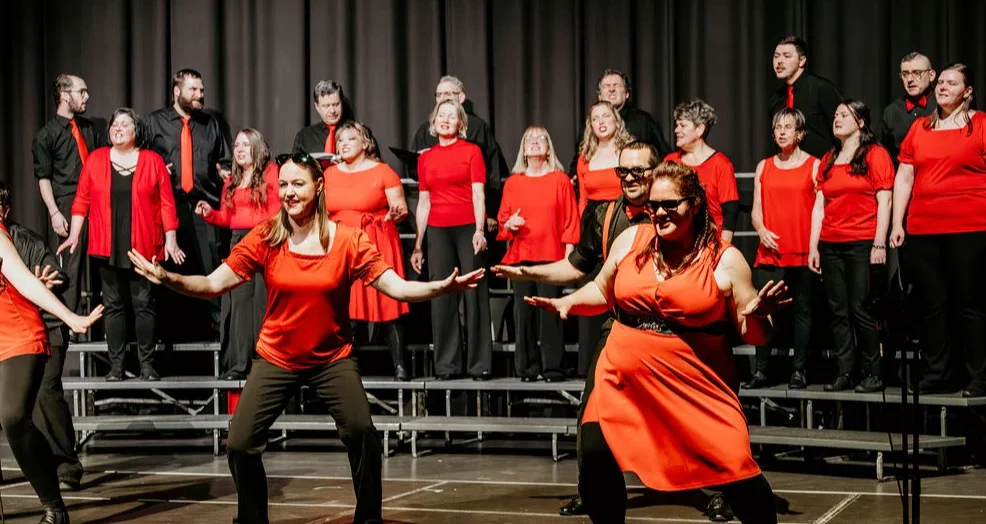
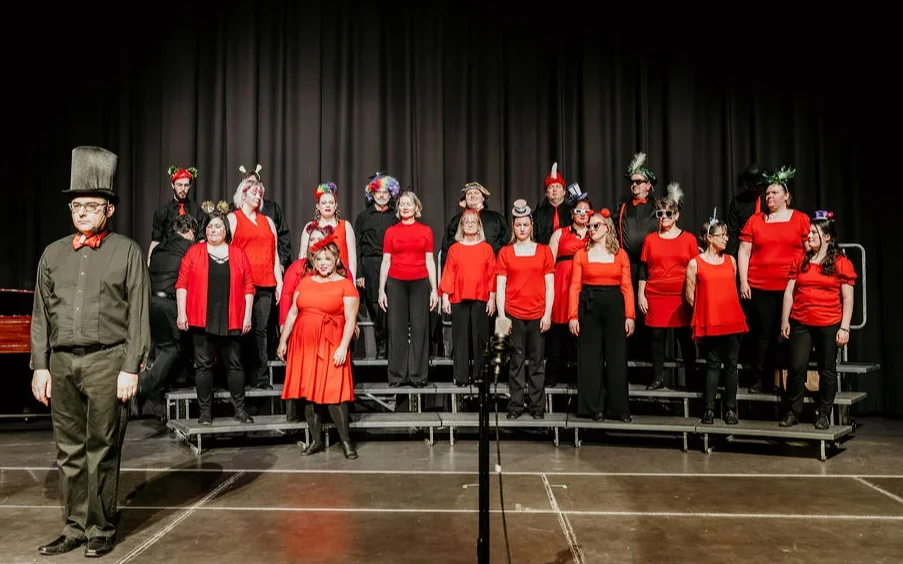
If you’re inspired by the transformative energy of jukebox musicals and want to dive even deeper into the world of Broadway, discover how the Voices of Broadway Show Choir brings the magic of these productions to life in London. Their performances unite passionate singers and theater enthusiasts, creating unforgettable moments that celebrate the very best of musical theater. Whether you’re a lifelong fan or new to the genre, exploring the choir’s dynamic shows is a perfect next step to experience the community and artistry that define Broadway’s enduring appeal. Let your journey into the world of show-stopping music and storytelling continue with Voices of Broadway’s vibrant stage experiences.

Ready to Feel the Power? Get Your tickets at https://thevoicesofbroadway.com

Join the excitement—reserve your Broadway ticket today to experience Jukebox 2 and the best of jukebox musicals live!

London Music Scene

216 Views

0 Comments

Write A Comment

*
*
Please complete the captcha to submit your comment.
Related Posts All Posts
05.07.2026

Unlocking Creativity: What 'Bottom's Gonna Be on Top' Teaches Us

Update The Intersection of Art and Ambition in Musical Theatre In the realm of musical theatre, few moments capture the essence of rivalry and camaraderie quite like the legendary exchange in the song "Bottom's Gonna Be on Top" from the upcoming Stratford Festival production of Something Rotten!. This performance not only entertains but also shines a spotlight on the complex dynamics between artists in a creative landscape, ultimately celebrating the triumphs and trials of the theatrical experience.In 'Something Rotten!: "Bottom's Gonna Be on Top," we dive into the layers of artistic rivalry and collaboration, prompting a deeper exploration of these themes. A Hilarious Highlight of Competition The song encapsulates the humorous yet poignant sentiment that arises when two creative minds collide. As one character declares, "Kiss this Bottom, I'm on the top," we are reminded of the playful spirit that drives creativity. The clever wordplay and rhythm not only provide comedic relief but also serve as a reflection of the ever-evolving relationship between aspiring artists and their more established counterparts. The Role of Collaboration in Artistry What strikes a chord in this narrative is not just the rivalry but the possibility of collaboration. The characters express a desire to partner on a sequel, hinting at the larger truth that even when competition is fierce, there's a shared acknowledgment of respect for one another’s talents. In the arts, partnerships can lead to groundbreaking new works, underscoring the value of collaboration over competition. Lessons in Ambition and Resilience As the lyrics suggest, the experience of being "on top" is fleeting, raising questions about what it truly means to succeed in the performing arts. While one might relish in their moment of glory, it’s crucial to recognize how joy can stem from shared achievements and learning from one another. The sentiment of enjoying the view from the top is a reminder that ambition should be balanced with gratitude for peers who uplift and inspire us. Emotional Resonance with the Audience Each performance is not just a showcase of talent; it is an opportunity for artists to connect with their audience on a deeper level. The whimsical language and vibrant melodies in this excerpt resonate with audiences who appreciate the nuanced dance of rivalry and collaboration. In essence, the song acts as an anthem of determination and resilience, encouraging viewers of all ages to embrace their unique journeys. Final Thoughts: More Than Just a Show Something Rotten! and songs like "Bottom's Gonna Be on Top" invite us to reflect on the broader societal narratives that shape individual experiences. As we analyze the interplay of competition and camaraderie in art, we are reminded that our connections with others can enrich our own creative pursuits. Embracing a mindset of support rather than solely ambition can lead to shared success, offering a more fulfilling artistic journey. As the Stratford Festival gears up for the performance, one thing is clear: this musical isn't just a feast for the senses, but a celebration of the intricate dance between rivalry and collaboration that defines the world of theatre.

05.05.2026

The Revival of Musical Tradition: Discovering 'Guys and Dolls' at Stratford Festival 2026

Update The Magic of Musical Storytelling at the Stratford Festival The exciting world of musicals often feels like a vibrant tapestry, intertwining rich narratives, enchanting melodies, and unforgettable characters. As the Stratford Festival gears up for its 2026 season with productions like "Guys and Dolls," it prompts a reflection on how musical theatre evolves over time, drawing us into different human experiences. This beloved production is a perfect showcase of why storytelling through music captures hearts and minds.In 'Guys and Dolls: Best Idea Wins | Stratford Festival 2026', the discussion highlights the upcoming production's significance, inspiring us to explore its themes and cultural relevance. A Journey Through Time: The Background of "Guys and Dolls" Originally opening on Broadway in 1950, "Guys and Dolls" has become a cherished classic. Adapted from stories by Damon Runyon, it brilliantly encapsulates the whimsical yet gritty essence of New York City’s gambler culture. As the Stratford Festival embraces this narrative, it evokes nostalgia while simultaneously introducing its rich history to new audiences who may have never experienced the hustle and bustle of the city streets depicted within the show’s framework. Real Connections: Social Issues Reflected in Theatre Musicals like "Guys and Dolls" often mirror societal challenges, allowing audiences to engage with profound themes through an accessible medium. From the pursuit of love to the struggles of ambition, the depth of the characters resonates with our own dreams and dilemmas. The Festival’s production is not just a mere performance but rather an invitation to reflect on our values, biases, and desires in both public and private spheres. Emotional Landscapes: Why This Musical Matters Today As we navigate through uncertain times, the exploration of human themes in productions such as "Guys and Dolls" becomes increasingly important. The Festival captures this notion beautifully, making the familiar unfamiliar in a way that invites curiosity and empathy. At a moment when connection feels strained, the laughter, music, and emotional journey presented in this show encourage us to remember the bonds we share and the joys that lie on the other side of adversity. Taking Action: Engage with Your Community As we prepare for this iconic musical and its exploration of the human experience, consider how you can deepen your connection to the arts in your community. Attend local performances, participate in discussions, or immerse yourself in workshops that inspire creativity. The dance between art and society doesn’t stop at the stage; it flows through our lives and interactions. Seize this opportunity to invite others along on your journey into the rich world of theatrical storytelling!

04.30.2026

Why Supporting Local Arts is Vital for Community Identity

The Importance of Supporting Local ArtsThe Unique Energy and Connection of Live PerformancesThere is something truly special about the atmosphere surrounding live performances. Whether it’s the pulse of music, the raw emotion of singers, or the collective energy of an engaged audience, live arts create connections that go beyond simple entertainment. Supporting local arts brings this unique energy directly into our communities, fostering bonds that shape our cultural identity.We spoke with Colin Whitehead, Senior Financial Consultant at IG Wealth Management, the Show Sponsor for The Voices of Broadway's Show May 23rd, 2026 Show "Jukebox 2".Colin shares, “There’s nothing like live performances—the energy and connection you can’t replicate anywhere else. ” This firsthand passion fuels his commitment to supporting local arts, demonstrating how much these experiences can enrich both individuals and wider communities. As we explore why supporting local arts is vital today, we’ll uncover how it cultivates creativity, nurtures expression, and strengthens community spirit.What You'll LearnHow supporting local arts strengthens community identityThe parallels between arts and other professional disciplinesThe role of sponsorship in sustaining arts organizationsExpert insights from Colin Whitehead of IG Wealth ManagementUnderstanding the Role of Supporting Local Arts in Community DevelopmentDefining Supporting Local Arts and Its ImpactSupporting local arts refers broadly to the encouragement, funding, and participation in community-based artistic endeavors, such as music shows, theatre productions, visual arts projects, and performance ensembles. This form of support can come through ticket purchases, sponsorships, volunteerism, or promotion. The effect is far-reaching, impacting economic vitality, local pride, and especially the cultural identity of a place.Investing in local arts organizations often leads to the revitalization of neighborhoods, creation of jobs, and a stronger sense of belonging. Communities that prioritize arts support tend to enjoy more vibrant public spaces and stronger social cohesion. These benefits collectively nurture an environment in which creativity and collaboration can flourish, making local arts indispensable to community development.How Arts Foster Community Identity and Youth ExpressionThe arts serve as a powerful tool for community identity, providing a platform for both collective and individual expression. For youth especially, local arts programs offer a safe and inspiring space to explore creativity, develop confidence, and convey their unique stories. Participating in the arts encourages discipline, teamwork, and cultural awareness, helping young people find their voice and place in the world.“The arts don’t just entertain us, they develop who we are.” – Colin Whitehead, of IG Wealth ManagementSupporting local arts thus becomes a way of nurturing future generations while reinforcing a community's distinct cultural fabric. The impact is enduring, with arts programs often cited as essential in building strong, resilient, and connected communities.For those interested in the practical aspects of getting involved, exploring The Voices of Broadway sponsorship opportunities provides a clear pathway to support local arts organizations and see firsthand how sponsorship can make a tangible difference in your community.Expert Insights: Colin Whitehead on Supporting Local ArtsPersonal Connection to Music and CommunityColin Whitehead brings a deeply personal understanding to his sponsorship of local arts. "Music taught me discipline, creativity, and the power of community," he explains, reflecting on his years as a piano player and choir singer during his youth. This lifelong passion for music informs his belief in the transformative power of the arts.“Music taught me discipline, creativity, and the power of community.” – Colin Whitehead, Senior Financial Consultant at IG Wealth ManagementParallels Between Financial Planning and Supporting Local ArtsWhitehead draws interesting parallels between his profession and his arts sponsorship. "A good financial plan is like a well-composed piece of music. It’s structured, intentional, and built to last," he says. Both realms, he explains, require discipline, strategy, and creativity to succeed.This unique perspective allows Whitehead to connect with clients on a meaningful level about the importance of planning not only for financial futures but also for enriching cultural futures through support of local arts. His dual role emphasizes that just as personal financial well-being depends on thoughtful planning, so does community well-being rely on sustained support for the arts.Colin Whitehead of IG Wealth Management, Broadway Producers Level Sponsor of The Voices of Broadway Show Choir at Run Act 1 rehearsal.The Privilege and Honor of Sponsoring Arts OrganizationsFor Whitehead, sponsoring arts organizations is an honor that reflects a deep commitment to community values. He highlights that sponsorship extends beyond financial contributions—it’s about being genuinely involved and passionate."Supporting groups like The Voices of Broadway Show Choir is a way for me to give back to something that shaped me," he shares. This sentiment underscores the idea that sponsorship is a meaningful partnership, one that nurtures cultural growth and community identity over time.Benefits of Sponsoring Local Arts OrganizationsBrand Exposure and Community EngagementSponsoring local arts offers businesses valuable opportunities for brand visibility and community engagement. Events regularly attract diverse audiences and media attention, placing sponsors in a central role within the community fabric. This exposure can build brand loyalty by associating a company with positive, meaningful community initiatives."You're going to get a lot of exposure through the programs and being at the shows," notes Whitehead. He emphasizes that sponsorship fosters genuine connections with audiences and conveys a company’s commitment to cultural enrichment, which resonates deeply with local consumers.Long-Term Impact of Consistent SponsorshipWhitehead believes that the true value of sponsorship lies in consistency and passion rather than one-off engagements. "Sponsorship is not a one-and-done thing; it’s about passion and consistency," he says. Long-term partnerships allow brands to deepen relationships with communities and arts organizations, strengthening impact on both sides.Consistent support enhances both the sponsor's brand image and the ability of the arts organization to flourish, creating a virtuous cycle of growth and mutual benefit. This sustained involvement can transform community arts from underfunded initiatives into vital cultural pillars.“Sponsorship is not a one-and-done thing; it’s about passion and consistency.” – Colin WhiteheadHow Supporting Local Arts Enriches the London, Ontario CommunityUnique Role of the Voices of Broadway Show ChoirIn London, Ontario, The Voices of Broadway Show Choir plays a singular role, providing a dynamic artistic outlet unlike any other local group. As Whitehead points out, “The Voices of Broadway Show Choir is the only thing like it in London. ” This uniqueness makes the organization a vital cultural beacon for the city’s arts scene.The choir’s high-quality, passion-driven performances enrich the community’s cultural landscape and offer critical creative and social opportunities. Its visibility and growth have the potential to inspire broader community participation and appreciation for the arts.Opportunities for Growth in the Local Arts SceneWhitehead sees enormous potential for expanding support and participation in London’s arts community. "There’s a massive arts community, and growing exposure to groups like Voices of Broadway will be beneficial for the entire region," he observes.By increasing sponsorship and audience engagement, organizations can deepen their impact, help nurture local talent, and strengthen London's identity as an arts destination. Such growth promotes cultural vitality and economic opportunities, creating benefits that ripple throughout the community.Common Misconceptions About Supporting Local ArtsArts as Non-Essential vs. Arts as Community PillarsOne common misconception is that the arts are non-essential luxuries rather than foundational elements of community life. In reality, arts programs help shape civic pride, social connectedness, and identity, making them pillars that sustain communities emotionally and economically.Supporting local arts is not just charity—it’s an investment in the social fabric that influences education, mental health, and economic development. Recognizing the arts as essential encourages more meaningful support and integration within community planning.Financial Support Beyond Monetary ContributionsFinancial support is critical, but effective sponsorship goes beyond monetary donations. It includes advocacy, volunteering, promoting events, and leveraging networks to amplify arts organizations’ reach. Businesses and individuals can engage through multi-faceted support to maximize impact and sustainability.Whitehead exemplifies this by using his platform to raise awareness and champion the Voices of Broadway, demonstrating that sponsorship is as much about community involvement as funding.Actionable Tips for Businesses Considering SponsorshipAligning Sponsorship with Business ValuesChoosing to sponsor the right arts organization begins with alignment. Businesses should identify groups whose missions and values resonate with their own. This alignment fosters authentic partnerships that feel meaningful internally and communicate genuine commitment externally.Whitehead advises that sponsors "support something that you’re truly passionate about," ensuring long-term dedication and stronger impact within the community.Maximizing Brand Recognition Through Repetitive EngagementRepetition builds brand awareness and trust. Consistent presence at arts events, involvement in multiple performances, and ongoing promotion increase visibility and embed sponsors in community consciousness."It's about repetitiveness," explains Whitehead. Single sponsorships have limited impact, but sustained involvement drives meaningful recognition and goodwill.Leveraging Sponsorship for Community ImpactBeyond marketing benefits, sponsorship offers a chance to contribute to social good. Businesses should seek to use their influence and resources to elevate arts programs, connect communities, and foster cultural vitality.Supporting the arts becomes a catalyst for broader community enrichment, enhancing the lives of residents and contributing to a thriving local culture.Frequently Asked Questions About Supporting Local ArtsWhy is supporting local arts important for community identity?Supporting local arts nurtures shared cultural expression and fosters community pride, making neighborhoods more vibrant and cohesive.How can businesses benefit from sponsoring local arts organizations?Businesses gain brand exposure, strengthen community relationships, and demonstrate corporate social responsibility through sponsorship.What are effective ways to support local arts beyond financial contributions?Volunteering, promoting events, advocacy, and engaging employees in arts activities are all impactful ways to support arts organizations.How does supporting local arts impact personal development?Arts programs help build confidence, creativity, teamwork skills, and offer important outlets for self-expression.Key TakeawaysSupporting local arts strengthens community bonds and identity.Consistent sponsorship enhances both business brand and arts organizations.Arts provide vital opportunities for expression and confidence building.Aligning sponsorship with personal and business values maximizes impact.Conclusion: The Lasting Value of Supporting Local ArtsA Call to Action for Community and Business Leaders“Using my platform to promote the arts enriches our entire community.” – Colin WhiteheadHow to Get Involved and SupportAttend local performances like Voices of BroadwayConsider sponsorship opportunities aligned with your valuesSpread awareness about the importance of arts in community identityFor tickets to Jukebox 2 visit https://thevoicesofbroadway.com or to contact Colin visit https://www.ig.ca/en/advisor/colin_whiteheadIf you’re inspired to take your support for the arts to the next level, consider exploring the broader impact and strategic benefits of arts sponsorship in your community. If you are interested in becoming a sponsor for The Voices of Broadway Show Choir, check out The Voices of Broadway's Sponsorship page. By learning more about these opportunities, you can discover advanced ways to align your values with meaningful community engagement. Let your next step be one that amplifies both your impact and the cultural vibrancy of your city.Sourceshttps://thevoicesofbroadway.comhttps://www.ig.ca/en/advisor/colin_whitehead

Terms of Service

Privacy Policy

Core Modal Title

Sorry, no results found

You Might Find These Articles Interesting

T
Please Check Your Email
We Will Be Following Up Shortly
*
*
*