
Broadway buzz logo
London's Broadway Buzz
  • Home
  • Categories
    • Star Stories
    • Backstage Access
    • Musical History
    • Broadway Talks
    • Weekly Wrap
    • Director's Cut
    • Fan Spotlight
    • London Music Scene
August 03.2026
1 Minute Read

Don't Miss This Crucial Audition Notice—Act Fast!

Imagine stepping onto the brightly lit stage, the energy of opening night buzzing in the air, as you proudly join other strong singers and actors bringing the magic of musical theatre to life. The secret to making this scenario a reality? Acting fast when you see an audition notice—especially one as important as the current call for the Voices of Broadway Show Choir! This article shows you why reacting quickly to the right audition notices can launch your performing journey and how to stand out in the spotlight.

Why This Audition Notice Matters to Aspiring Performers

  • Overview of this audition notice for the Voices of Broadway Show Choir
  • Why timely audition notices are the gateway to opportunity
  • How audition notices impact your chances in musical theatre

The audition notice for the Voices of Broadway Show Choir is more than an invitation—it's your chance to shine among strong singers, strong actors, and individuals eager to make their mark in musical theatre. Audition notices like this serve as official gateways to new york-style opportunities even if you’re auditioning from places like los angeles, marco island, or online audition platforms. Responding to a legitimate, timely posting may also give you a head start, especially where audition dates are limited and the production team seeks the most committed performers.

When you find a credible audition notice, every minute counts. Acting promptly means you may secure an audition appointment before slots are filled, and it shows the artistic director and stage manager your professionalism from the start. Great audition notices outline musical theatre requirements, vocal range requests for both male and female performers, and details for headshot and resume submission—each detail helps stage managers streamline their production team for first rehearsal. Don’t risk missing your dream role because you hesitated!

Energetic group of diverse young performers responding to an audition notice for the Voices of Broadway Show Choir, rehearsing in a bright theatre with sheet music and headshots on the floor, highlighted with vibrant colors and natural lighting.

What You'll Learn from This Audition Notice Guide

  • How to find credible audition notices
  • Essential steps to responding to an audition notice
  • Best practices for preparing for a musical theatre audition
  • Insights on stage manager expectations and tips

If you’re serious about musical theatre, this guide delivers clear, actionable answers. You’ll learn the fastest ways to spot genuine audition notices, respond with confidence, prepare winning audition materials, and communicate smoothly with production team members like the stage manager. Whether you sing solo vocal lines, bring strong acting chops, or are new to show choir, you’ll discover what makes the difference between another application and a callback—no matter if you’re pursuing a ny audition or seeking opportunities elsewhere.

Understanding an Audition Notice: Purpose and Structure

What is an Audition Notice?

  • Definition of audition notice versus audition notices
  • Differences between audition notice and casting notice
  • How audition notices serve musical theatre and stage manager needs

An audition notice is an official announcement, usually issued by a production team or stage manager, alerting singers, actors, and dancers of upcoming auditions for a musical theatre, play, or stage project. Unlike a casting notice, which may include broader information or general open calls, an audition notice is more specific—it lays out the exact requirements and instructions for applying. Audition notices may also include essential details like opening night date, required repertoire (such as solo vocal and sheet music selections), and the direct contact for the stage manager to clarify submission materials.

For aspiring performers, reading audition notices carefully can make all the difference—especially in competitive environments like new york, los angeles, or even smaller regions like marco island. Knowing the difference between audition and casting notices helps guide your preparation. Stage managers rely on clear notices to ensure each auditionee knows precisely what's expected, from headshot and resume formatting to video file name conventions for online auditions. This clarity helps everyone involved, from strong singers to mature adult solo performers.

Key Elements in an Audition Notice

  • Typical information found in professional audition notices
  • Relevance of including role specifics, musical theatre requirements, and stage manager details
  • How to recognize legitimate audition notices

Every valid audition notice features a few must-have segments: a detailed role description (for example, seeking male and female strong singers or strong actors for musical theatre), submission guidelines listing files and materials requested (like a headshot and resume, 16 bars of a vocal range-appropriate song, or demo files), and contact information—most often, the stage manager or artistic director. These aids help clarify requirements, whether you’re answering a pa audition, fl audition, or ny audition.

Legitimate audition notices come from verified production teams or authorized stage managers and will always explain how, where, and when to submit your materials. Be sure to include the name of your files following the specific conventions noted, and take care to prepare all items listed, from sheet music to solo vocal pieces. Recognizing these professional standards is key to avoiding scams or time-wasting auditions that won’t lead to a legitimate callback or first rehearsal.

Performer reviewing a professional audition notice for musical theatre in a modern waiting area, surrounded by portfolios and highlighted audition documents with detailed paper textures and realistic lighting.

Step-by-Step: Responding Effectively to an Audition Notice

  1. Read the audition notice thoroughly
  2. Note musical theatre specifics and required materials
  3. Follow submission procedures
  4. Contact the stage manager if clarification is needed
  5. Prepare required pieces for musical theatre auditions

Start by reading every word of the audition notice. Overlooked details—like file name requirements or specific solo vocal selections—could result in missing out, even if you’re a strong singer. Make sure you mark audition dates and confirm if submissions require a virtual video or in-person attendance (especially for online audition and ny audition processes).

Next, gather and organize materials as instructed (for example, a high-quality headshot and resume), ensure you’ve prepared your vocal range selections, and double-check the submission process. If anything remains unclear, stage managers are the best point of contact—reach out rather than guess. A well-prepared submission is your best introduction to the production team and shows you respect the process from the outset.

Best Practices: Showcasing Your Talent in Response to an Audition Notice

  • Song and performance choice for musical theatre auditions
  • Interaction tips with the stage manager
  • How to ensure your audition stands out for the Voices of Broadway

For musical theatre auditions, your song choices should highlight your vocal range and personality—choose contrasting selections demonstrating you are a strong singer and strong actor. Skills like presence, connection, and style are as important as hitting the right notes; so rehearse each piece as if it were opening night. If you’re sending a video, make sure your setup captures clear sound and flattering light.

Communicate with the stage manager professionally and courteously. Please include any additional materials or references requested, and always respond promptly if there’s follow-up. A thoughtful, enthusiastic approach—paired with a resume highlighting musical theatre, mature adult experience, or pa audition credits—shows the production team you’re serious, dedicated, and ready to represent Voices of Broadway Show Choir.
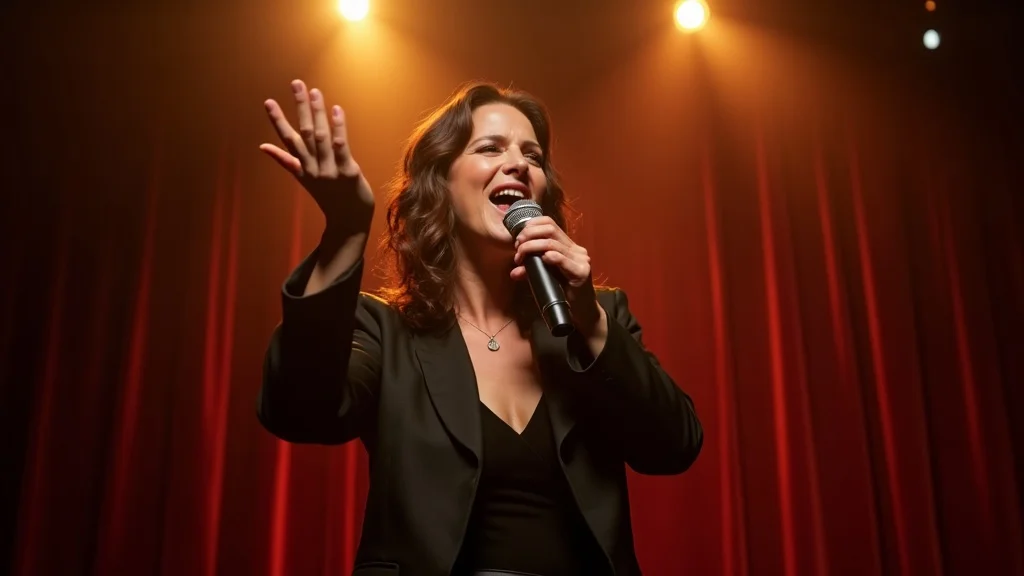
Confident solo singer in a passionate musical theatre audition for Voices of Broadway, mid-performance on stage with velvet curtains and spotlights and lifelike detail.

Understanding the Role of the Stage Manager in Audition Notices

Stage Manager Responsibilities in the Audition Process

  • Coordinating musical theatre auditions
  • Communicating with auditionees
  • Ensuring smooth transition from audition notice to callback

The stage manager is a pivotal figure during every audition cycle. Their job in the context of an audition notice is to coordinate each logistical aspect: scheduling audition appointments, confirming first rehearsal details, and communicating changes or clarifications to auditionees. They may also handle technical questions, file name specifications, and the security of your headshot and resume.

Strong communication with the stage manager can help you stand out as a reliable, organized performer—qualities every artistic director, production team, and fellow cast member values. Treat every email and call with professionalism; your responsiveness could become your first “mini audition,” demonstrating that you’re as strong an actor offstage as on.

Key Differences: Equity Auditions, Open Calls, and Targeted Audition Notices

  • What defines equity auditions, open calls, and invitation-only audition notices
  • When to expect each type during your musical theatre career

Aspiring performers often encounter several types of audition notices. Equity auditions are structured for members of the Actors’ Equity Association and often offer union-based protections and negotiated pay scales—common in major markets like new york or los angeles. Open calls invite anyone (male and female, mature adult and young performer alike) to audition for a role, though competition is much higher and slots fill quickly.

In contrast, targeted or invitation-only audition notices are sent to selected performers, usually based on resume or past work (perhaps you’ve demonstrated a strong singer or strong actor reputation). Recognizing which kind of notice you’re responding to allows you to tailor your application and maximize your chances for a callback—no matter if it’s a ny audition, fl audition, or ct audition scenario.
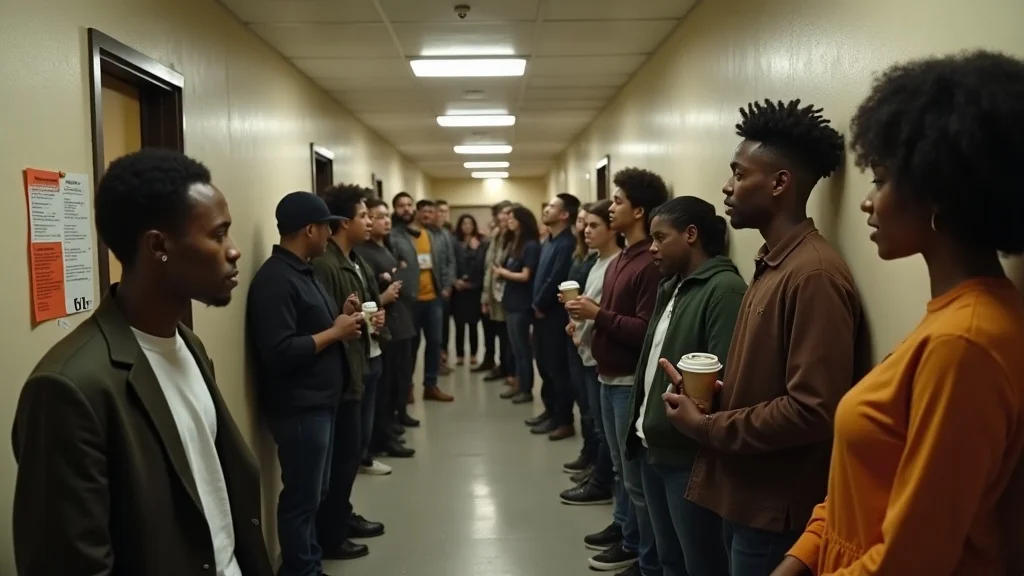
Diverse actors waiting in line at a musical theatre audition, chatting outside a room with audition flyers and coffee cups, prepared for equity auditions and open calls.

Quotes from Successful Auditionees and Industry Professionals

"A strong audition notice gives you an invaluable head start—always read and prepare wisely." – Broadway casting director

Watch industry professionals break down the top features of an effective audition notice, share real-life tips from successful equity auditions, and highlight why timely, detailed notices are your best friend for musical theatre success.

Table: Breakdown of a Professional Audition Notice

Audition Notice Section Purpose Example/Text
Role Description Explains what is being cast 'Seeking tenors for Voices of Broadway'
Submission Requirements Describes materials to be submitted '16 bars of musical theatre song, resume, headshot.'
Contact/Stage Manager Who to reach for questions 'Contact: Jane Smith, Stage Manager'

Current Audition Notice: Voices of Broadway Show Choir Details

  • Performance opportunities for musical theatre singers
  • Role requirements and expectations
  • Stage manager point of contact
  • Submission instructions as per the official audition notice

The official audition notice for the Voices of Broadway Show Choir welcomes both male and female strong singers with a passion for musical theatre and ensemble harmony. Performance opportunities span a range of classic and contemporary Broadway numbers, and both mature adults and younger performers are encouraged to apply. The choir values applicants with strong actor and solo vocal abilities, making it a perfect fit for those ready to shine in a collaborative, high-energy setting.

According to the production team, required submission materials include your updated resume, professional headshot, and two contrasting musical theatre selections (to demonstrate your vocal range). Contact the stage manager directly with questions, and carefully follow instructions for file name formatting and submission requirements. Please note that video auditions are accepted, providing even greater access for talent from pa audition, fl audition, or online audition locations.

Professional stage manager backstage at a Voices of Broadway audition, guiding performers with a clipboard amid cast members preparing for the audition, captured in natural backstage lighting.

Lists: What to Prepare Before Responding to an Audition Notice

  1. Updated resume and headshot per the audition notice
  2. Two contrasting musical theatre selections
  3. Reference list (if requested by stage manager)
  4. Video recording setup tips for virtual audition notices

Preparation makes all the difference. Start by updating your resume and headshot, clearly labeling each file name as specified in the audition notice. Choose musical theatre selections that display your best vocal range and ability to embody strong actor qualities. If you’re participating in a virtual audition, ensure your recording space is tidy and well-lit, with all necessary sheet music and materials ready. Please include references if requested, and rehearse with the same energy you’ll bring to opening night.

Performer organizing audition documents and recording setup for a virtual musical theatre audition notice in a neat home studio with laptop, microphone, and tidy folders.

Check out expert advice on selecting the right songs, headshot and resume presentation, and how to communicate with stage managers so your audition notice response rises to the top.

People Also Ask

How to write an audition notice?

  • Important points for drafting a clear audition notice
  • Including essential details for musical theatre and stage manager communication

Drafting a clear audition notice starts with transparency: specify the role and type of performer (strong singer, strong actor, mature adult, etc. ), outline submission requirements (resume, headshot, video, vocal range), and state the preferred method of communication, typically with the stage manager’s contact. Make sure to include the production team name, audition dates, and directions about file name and format. Providing these details not only streamlines responses but builds trust with auditionees.

What are audition notices for upcoming productions called?

  • Distinguishing between audition notice, casting notice, and call for submissions

Upcoming theatre opportunities are typically promoted as audition notices, casting notices, or calls for submissions. An audition notice is often more specific—describing the musical theatre production, audition dates, and submission process—while a casting notice might cover a general search for strong actors across multiple projects. If you see a call for submissions, that usually means anyone may send their materials, though instructions typically clarify whether it’s for a particular equity auditions cycle, ny audition, or another event.

What is a casting notice?

  • Differences between a casting notice and audition notice in musical theatre

A casting notice is an open invitation for talent to submit their interest in multiple roles or productions—it can precede an audition notice. In contrast, an audition notice comes after, specifying step-by-step instructions tailored to a project, including file name and resume needs, stage manager information, and requirements for strong singer or strong actor submissions. Both are vital in the musical theatre world, but following the audition notice exactly is what lands you a chance at opening night.

What is an audition request?

  • Defining an audition request as compared to an audition notice

An audition request is typically personalized—a response from the production team inviting you, specifically, to participate, often as a result of sending in materials for a previous audition notice. Unlike public audition notices, audition requests are targeted and may set out audition appointment times or ask you to prepare for a callback. Always respond quickly, confirm the details with the artistic director or stage manager, and ask clarifying questions if needed.

FAQs: Everything You Need to Know About an Audition Notice

  • How do I find the latest audition notices? Stay up to date by regularly checking reputable websites, following theatre companies on social media, and signing up for email lists. Online audition platforms often offer tailored alerts for new york, los angeles, and regional opportunities.
  • What is the difference between open and closed audition notices? Open audition notices welcome all interested performers, while closed audition notices (sometimes called invitation-only or equity auditions) require pre-approval or union membership. Always read the specifics to know who may apply.
  • Can stage managers influence audition notice requirements? Yes; stage managers often work closely with the artistic director and production team to finalize audition requirements, clarify submission instructions, and ensure auditions run smoothly from the initial notice through the first rehearsal.

Key Takeaways

  • Always act quickly on a new audition notice
  • Follow all submission guidelines for musical theatre auditions
  • Maintain open communication with the stage manager

Ready to Sing? Secure Your Spot Now

  • Visit auditions.thevoicesofbroadway.com to book your audition.

Don’t wait—your next stage breakthrough could be just one audition notice away!

London Music Scene

0 Views

0 Comments

Write A Comment

*
*
Please complete the captcha to submit your comment.
Related Posts All Posts
08.04.2026

How A Midsummer Night's Dream Will Enchant Audiences at Stratford 2026

Update Unlocking the Magic of Shakespeare: A New Perspective In a captivating exploration of creativity, the upcoming production of A Midsummer Night's Dream at the Stratford Festival in 2026 promises to immerse audiences in a multisensory spectacle that transcends traditional theatre. Visual designer Philippe Belhumeur, who is behind this innovative approach, notes the importance of integrating architectural elements that compliment Shakespeare’s poetic text. He explains that this project goes beyond mere performance; it’s about building a rich narrative landscape where the words of the Bard can shine like never before.In 'A Midsummer Night's Dream: Projecting Dreams | Stratford Festival 2026', the discussion revolves around integrating storytelling with visual design, inspiring us to analyze its artistic implications further. Bridging Architecture and Storytelling Belhumeur's fascination with architectural designs influences how he envisions the set for this classic play. By mapping various structures, he seeks to create spaces that enhance the storytelling, marrying the poetry of Shakespeare with the tangible world. “We have to be more part of the storytelling,” he remarks, emphasizing the need for a holistic vision in a production that aims to captivate and inspire audiences. This collaboration between architecture and theatrical elements crafts an experience that resonates not only with the eye but also with deep sentiments associated with the themes of dreams and reality prevalent in the play. Risk and Reward in the Creative Process Belhumeur humorously reflects on the pressures of creative decision-making, stating, “I lost a lot of hair and said, ‘Uh, what have I done?’” This candid admission illustrates the weight of responsibility on artists’ shoulders when taking leaps of faith in their creative processes. However, he also highlights that embracing risk is essential in the creative field. “If you don’t take these big leaps, what are we doing, right?” Balancing risk with artistic vision is pivotal in the theater world, transforming challenges into opportunities for brilliance. The Collaborative Nature of Theatre The success of a performance relies on the collaborative efforts of its entire cast and crew. In discussing the upcoming production, Belhumeur stresses the importance of allowing each member to shine, saying that it’s about “finding the perfect balance” among diverse talents. This philosophy reflects a broader truth about the arts: collaboration fosters creativity and yields richer narratives. The result is not merely a play; it's a collective experience that invites audiences into a shared dreamscape. Why This Production Matters As we look forward to this reimagined Midsummer Night's Dream, it’s clear that the Stratford Festival is set to mark a significant milestone in theatrical innovation. The intersection of architecture, narrative depth, and collaborative energy underscores why this production is not just for Shakespeare purists, but also for those seeking fresh interpretations of classic texts. Audiences can anticipate a journey that dives deep into the heart of human experience, blending beauty and chaos in a way that only Shakespeare can. Join the Conversation As the Stratford Festival gears up for its 2026 presentation, there’s an invitation extended to the community: engage, question, and reflect on the fusion of storytelling and design. As we prepare to watch this artistic tapestry unfold, we encourage you to visit the festival's website to learn more about the production and to engage with other enthusiastic patrons and theatre lovers.

08.02.2026

Discover the Magic of Puppetry in The Hobbit at Stratford Festival

Update Puppetry: An Art Form of Precision and Emotion Puppetry isn’t just about strings and figures; it’s a profound medium that transcends mere performance. As Pablo Felices-Luna highlights in his upcoming Stratford Festival production of The Hobbit, the artistry involved is astounding. With meticulous attention to detail, every spider’s movement or dragon's breath contributes to a larger narrative, allowing the audience to immerse themselves in the enchanted realm of Middle-earth.In 'The Hobbit: The Magic of Puppetry | Stratford Festival 2026', the discussion dives into the incredible craftsmanship behind puppetry, exploring key insights that sparked deeper analysis on our end. The Impact of Craftsmanship on Storytelling The beauty of puppetry lies in its precision. Felices-Luna notes how crucial it is for puppeteers to ensure that elements, like the entrance of a character, are executed perfectly. This level of craftsmanship creates a layer of authenticity within the story, making the fantastical seem real. When performed correctly, such intricacies allow the audience to forget they are watching puppets and engage fully with the story being told. It’s this delicate balance that breathes life into characters and evokes genuine emotional reactions from viewers. Reimagining Classic Tales with Puppet Interpretation In adaptations of beloved stories, the use of puppetry offers a fresh lens through which audiences can experience the narrative. For example, Felices-Luna’s rendition of The Hobbit redefines character interactions and world-building through innovative puppet designs. Imagine a dragon that’s not merely a costume but rather a dynamic presence that interacts with the environment and characters, making the audience gasp in awe. This transformation is not just about entertainment; it also invites viewers to reconnect with classic narratives in an engageable and imaginative way. Experiential Insights: The Power of Audiences One profound aspect of theater, especially productions like those at the Stratford Festival, is audience engagement. The magic of puppetry resonates deeply with viewers, as it encourages them to embrace their childlike wonder. When visiting a play featuring puppets, audiences often find themselves revived in their own imaginations. They witness creativity unbound, and through shared laughter or suspenseful moments, an unspoken bond forms between the performers and those watching, creating a unique collective experience. Connections Between Puppetry and Community Art has always been a conduit for connection, and puppetry is no different. During productions, community members often rally together—whether as puppeteers, artists, or audience members. Local schools may participate by showcasing their own puppetry skills, fostering collaboration and community spirit. This cooperative energy not only enhances the production but also embeds a collective narrative that enriches cultural dialogues within the community. The Future of Puppetry in Modern Theater As technology evolves, so does the art of puppetry. Future trends suggest a fusion of traditional techniques with advanced puppetry technology, creating new opportunities for storytelling. Imagine puppet designs that incorporate robotics, enhancing lifelike movements and reactions to audience engagement. Such innovations promise to broaden the reach and impact of puppetry, attracting diverse audiences and inspiring the next generation of artists. In conclusion, the artistry of puppetry is a multifaceted craft that breathes life into stories and builds connections between individuals and communities. As we anticipate the Stratford Festival's The Hobbit, let us celebrate the magic of puppetry and its role in storytelling—inviting us to reflect on our childhood dreams while fostering shared experiences that resonate deeply within us all.

07.31.2026

Reviving Something Rotten: An Exciting Look at the Extra Awkwardness

Update Embracing Fresh Perspectives: The Revival of Something Rotten! In the lively world of theater, revivals can often breathe new life into beloved productions. When Something Rotten! takes the stage once more, it not only revisits its original charm but also aims for something greater—something more vibrant and engaging. Directed and choreographed by the talented Dona Feore, this revival promises to be "extra rotten", infused with fresh energy that reflects both the essence of the original and the evolution of its storytelling.In Something Rotten!: Extra Rotten | Stratford Festival 2026, the conversation highlights the artistic choices behind this revival, prompting us to delve into its cultural significance. A Journey Through Laughter: Audience Reactions Shape the Show Feore brings a wealth of experience to this project, having watched Something Rotten! delight audiences for over 100 shows. Each performance offered a unique glimpse into audience reactions, fueling her understanding of what resonates. "When we started Something Rotten again, I’m still laughing; that’s a pretty good sign right out of the gate," she recalled. This comedic musical, centered around the lives of two brothers in the shadow of William Shakespeare, holds humor that evolves with each production—an aspect Feore is eager to explore. Why Revive? The Importance of Rethinking Classics Reviving a musical like Something Rotten! isn’t just about reigniting old flames; it’s about responding to contemporary themes that resonate today. The popularity of reinvigorated productions is indicative of society's need for entertainment that is both reflective and satirical. Feore understands this, emphasizing the importance of perspective while working within the rich historical context of refashioned narratives. With deft choreography and innovative direction, the production aims to appeal to both fans old and new. The Intersection of Humor and Humanity At the heart of Something Rotten! lies a tapestry of humor intertwined with timeless themes of envy, aspiration, and the creative process. As characters grapple with their own ambitions amid the backdrop of Shakespearean fame, audiences can’t help but reflect on the absurdities of life—truly, something we all encounter. This humorous reflection is not disconnected from the societal questions it raises, an aspect that resonates deeply with viewers. Innovative Choices: Crafting a Unique Experience The phrase "extra rotten" aptly describes the innovative choices Feore intends to incorporate into the revival. By blending fresh choreography with the musical’s established whimsicality, she hopes to cultivate an unforgettable theatrical experience. The director’s drive to enhance the storytelling while respecting the creative roots of the show exemplifies an encouraging trend in modern revival productions: an emphasis on dynamic expression that captivates the audience. Shaping Cultural Narratives Through Music Feore exemplifies the concept that theater is not just entertainment but a crucial part of cultural discourse. Her critical examination of how stories are told reflects a broader understanding of how art impacts society. As the narrative unfolds on stage, it invites audiences to step back and examine their own experiences, often prompting deeper conversations about their lives and, ultimately, creating connections that transcend the theater itself. Looking Ahead: The Future of Theatrical Revivals As the theatrical landscape evolves, so too does the audience's relationship with the performances they see. The anticipation surrounding the revival of Something Rotten! serves as a reminder of the importance of storytelling in shaping culture and connecting individuals. This production exemplifies a fundamental shift in how revivals are approached: with an eye towards modern audiences while honoring the spirit of the original work. In summary, the revival of Something Rotten! isn’t merely about revisiting an old success; it's about reimagining it for a new era. As audiences prepare for an exciting return to the stage, they are invited not only to enjoy the artistry but also to engage with the deeper narratives behind the laughter. Theater, as exemplified by Feore’s work, continues to serve as a mirror reflecting the complexities of human experience.

London's Broadway Buzz

This media channel covers the London Musical Theatre scene as well as the larger Broadway Musical focus

COMPANY

  • Privacy Policy
  • Terms of Use
  • Advertise
  • Contact Us
  • Menu 5
  • Menu 6

+12262711213

AVAILABLE FROM 8AM - 5PM

The Voices of Broadway

1795 Avon Dr, Belmont, ON

ABOUT US

London's Broadway Buzz is owned by The Voices of Broadway Show Choir, 

© 2026 The Voices of Broadway Show Choir All Rights Reserved. 1795 Avon Dr, Belmont, ON 00000 . Contact Us . Terms of Service . Privacy Policy

eyJjb21wYW55IjoiVGhlIFZvaWNlcyBvZiBCcm9hZHdheSBTaG93IENob2lyIiwiYWRkcmVzcyI6IjE3OTUgQXZvbiBEciIsImNpdHkiOiJCZWxtb250Iiwic3RhdGUiOiJPTiIsInppcCI6IjAwMDAwIiwiZW1haWwiOiJtYXJrZXRpbmdAdGhldm9pY2Vzb2Zicm9hZHdheS5jb20iLCJ0b3MiOiJQSEErUEhOMGNtOXVaejQ4WlcwK1YyaGxiaUI1YjNVZ2MybG5iaTFwYmlCM2FYUm9JSFZ6TENCNWIzVWdZWEpsSUdkcGRtbHVaeVp1WW5Od095QjViM1Z5SUhCbGNtMXBjM05wYjI0Z1lXNWtJR052Ym5ObGJuUWdkRzhnYzJWdVpDQjViM1VnWlcxaGFXd2dZVzVrTDI5eUlGTk5VeUIwWlhoMElHMWxjM05oWjJWekxpQkNlU0JqYUdWamEybHVaeUIwYUdVZ1ZHVnliWE1nWVc1a0lFTnZibVJwZEdsdmJuTWdZbTk0SUdGdVpDQmllU0J6YVdkdWFXNW5JR2x1SUhsdmRTQmhkWFJ2YldGMGFXTmhiR3g1SUdOdmJtWnBjbTBnZEdoaGRDQjViM1VnWVdOalpYQjBJR0ZzYkNCMFpYSnRjeUJwYmlCMGFHbHpJR0ZuY21WbGJXVnVkQzQ4TDJWdFBqd3ZjM1J5YjI1blBqd3ZjRDRLQ2p4d1BqeGhJR2h5WldZOUltaDBkSEE2THk5M2QzY3VaMjl2WjJ4bExtTnZiU0krYUhSMGNEb3ZMM2QzZHk1bmIyOW5iR1V1WTI5dFBDOWhQand2Y0Q0S0NqeHdQaVp1WW5Od096d3ZjRDRLQ2p4d1BqeHpkSEp2Ym1jK1UwVlNWa2xEUlR3dmMzUnliMjVuUGp3dmNENEtDanh3UGxkbElIQnliM1pwWkdVZ1lTQnpaWEoyYVdObElIUm9ZWFFnWTNWeWNtVnVkR3g1SUdGc2JHOTNjeUI1YjNVZ2RHOGdjbVZqWldsMlpTQnlaWEYxWlhOMGN5Qm1iM0lnWm1WbFpHSmhZMnNzSUdOdmJYQmhibmtnYVc1bWIzSnRZWFJwYjI0c0lIQnliMjF2ZEdsdmJtRnNJR2x1Wm05eWJXRjBhVzl1TENCamIyMXdZVzU1SUdGc1pYSjBjeXdnWTI5MWNHOXVjeXdnWkdselkyOTFiblJ6SUdGdVpDQnZkR2hsY2lCdWIzUnBabWxqWVhScGIyNXpJSFJ2SUhsdmRYSWdaVzFoYVd3Z1lXUmtjbVZ6Y3lCaGJtUXZiM0lnWTJWc2JIVnNZWElnY0dodmJtVWdiM0lnWkdWMmFXTmxMaUJaYjNVZ2RXNWtaWEp6ZEdGdVpDQmhibVFnWVdkeVpXVWdkR2hoZENCMGFHVWdVMlZ5ZG1salpTQnBjeUJ3Y205MmFXUmxaQ0FtY1hWdmREdEJVeTFKVXlaeGRXOTBPeUJoYm1RZ2RHaGhkQ0IzWlNCaGMzTjFiV1VnYm04Z2NtVnpjRzl1YzJsaWFXeHBkSGtnWm05eUlIUm9aU0IwYVcxbGJHbHVaWE56TENCa1pXeGxkR2x2Yml3Z2JXbHpMV1JsYkdsMlpYSjVJRzl5SUdaaGFXeDFjbVVnZEc4Z2MzUnZjbVVnWVc1NUlIVnpaWElnWTI5dGJYVnVhV05oZEdsdmJuTWdiM0lnY0dWeWMyOXVZV3hwZW1GMGFXOXVJSE5sZEhScGJtZHpMand2Y0Q0S0NqeHdQbGx2ZFNCaGNtVWdjbVZ6Y0c5dWMybGliR1VnWm05eUlHOWlkR0ZwYm1sdVp5QmhZMk5sYzNNZ2RHOGdkR2hsSUZObGNuWnBZMlVnWVc1a0lIUm9ZWFFnWVdOalpYTnpJRzFoZVNCcGJuWnZiSFpsSUhSb2FYSmtJSEJoY25SNUlHWmxaWE1nS0hOMVkyZ2dZWE1nVTAxVElIUmxlSFFnYldWemMyRm5aWE1zSUVsdWRHVnlibVYwSUhObGNuWnBZMlVnY0hKdmRtbGtaWElnYjNJZ1kyVnNiSFZzWVhJZ1lXbHlkR2x0WlNCamFHRnlaMlZ6S1M0Z1dXOTFJR0Z5WlNCeVpYTndiMjV6YVdKc1pTQm1iM0lnZEdodmMyVWdabVZsY3l3Z2FXNWpiSFZrYVc1bklIUm9iM05sSUdabFpYTWdZWE56YjJOcFlYUmxaQ0IzYVhSb0lIUm9aU0JrYVhOd2JHRjVJRzl5SUdSbGJHbDJaWEo1SUc5bUlHVmhZMmdnVTAxVElIUmxlSFFnYldWemMyRm5aU0J6Wlc1MElIUnZJSGx2ZFNCaWVTQjFjeTRnU1c0Z1lXUmthWFJwYjI0c0lIbHZkU0J0ZFhOMElIQnliM1pwWkdVZ1lXNWtJR0Z5WlNCeVpYTndiMjV6YVdKc1pTQm1iM0lnWVd4c0lHVnhkV2x3YldWdWRDQnVaV05sYzNOaGNua2dkRzhnWVdOalpYTnpJSFJvWlNCVFpYSjJhV05sSUdGdVpDQnlaV05sYVhabElIUm9aU0JUVFZNZ2RHVjRkQ0J0WlhOellXZGxjeTRnVjJVZ1pHOGdibTkwSUdOb1lYSm5aU0JoYm5rZ1ptVmxjeUJtYjNJZ1pHVnNhWFpsY25rZ2IyWWdaVzFoYVd3Z2IzSWdVMDFUTGlCVWFHbHpJR2x6SUdFZ1puSmxaU0J6WlhKMmFXTmxJSEJ5YjNacFpHVmtJR0o1SUhWekxpQkliM2RsZG1WeUxDQndiR1ZoYzJVZ1kyaGxZMnNnZDJsMGFDQjViM1Z5SUdsdWRHVnlibVYwSUhObGNuWnBZMlVnY0hKdmRtbGtaWElnWVc1a0lHTmxiR3gxYkdGeUlHTmhjbkpwWlhJZ1ptOXlJR0Z1ZVNCamFHRnlaMlZ6SUhSb1lYUWdiV0Y1SUdsdVkzVnlJR0Z6SUdFZ2NtVnpkV3gwSUdaeWIyMGdjbVZqWldsMmFXNW5JR1Z0WVdsc0lHRnVaQ0JUVFZNZ2RHVjRkQ0J0WlhOellXZGxjeUIwYUdGMElIZGxJR1JsYkdsMlpYSWdkWEJ2YmlCNWIzVnlJRzl3ZEMxcGJpQmhibVFnY21WbmFYTjBjbUYwYVc5dUlIZHBkR2dnYjNWeUlHVnRZV2xzSUdGdVpDQlRUVk1nYzJWeWRtbGpaWE11SUZsdmRTQmpZVzRnWTJGdVkyVnNJR0YwSUdGdWVTQjBhVzFsTGlCS2RYTjBJSFJsZUhRZ0puRjFiM1E3VTFSUFVDWnhkVzkwT3lCMGJ5QThhR2xuYUd4cFoyaDBJR05zWVhOelBTSmpiMjF3WVc1NVVHaHZibVZWY0dSaGRHVWlQaXN4TWpJMk1qY3hNVEl4TXp3dmFHbG5hR3hwWjJoMFBpNGdRV1owWlhJZ2VXOTFJSE5sYm1RZ2RHaGxJRk5OVXlCdFpYTnpZV2RsSUNaeGRXOTBPMU5VVDFBbWNYVnZkRHNnZEc4Z2RYTXNJSGRsSUhkcGJHd2djMlZ1WkNCNWIzVWdZVzRnVTAxVElHMWxjM05oWjJVZ2RHOGdZMjl1Wm1seWJTQjBhR0YwSUhsdmRTQm9ZWFpsSUdKbFpXNGdkVzV6ZFdKelkzSnBZbVZrTGlCQlpuUmxjaUIwYUdsekxDQjViM1VnZDJsc2JDQnVieUJzYjI1blpYSWdjbVZqWldsMlpTQlRUVk1nYldWemMyRm5aWE1nWm5KdmJTQjFjeTQ4TDNBK0NnbzhjRDQ4YzNSeWIyNW5QbGxQVlZJZ1VrVkhTVk5VVWtGVVNVOU9JRTlDVEVsSFFWUkpUMDVUUEM5emRISnZibWMrUEM5d1Bnb0tQSEErU1c0Z1kyOXVjMmxrWlhKaGRHbHZiaUJ2WmlCNWIzVnlJSFZ6WlNCdlppQjBhR1VnVTJWeWRtbGpaU3dnZVc5MUlHRm5jbVZsSUhSdk9qd3ZjRDRLQ2p4dmJENEtDVHhzYVQ1d2NtOTJhV1JsSUhSeWRXVXNJR0ZqWTNWeVlYUmxMQ0JqZFhKeVpXNTBJR0Z1WkNCamIyMXdiR1YwWlNCcGJtWnZjbTFoZEdsdmJpQmhZbTkxZENCNWIzVnljMlZzWmlCaGN5QndjbTl0Y0hSbFpDQmllU0IwYUdVZ1UyVnlkbWxqWlNZak16azdjeUJ5WldkcGMzUnlZWFJwYjI0Z1ptOXliU0FvYzNWamFDQnBibVp2Y20xaGRHbHZiaUJpWldsdVp5QjBhR1VnSm5GMWIzUTdVbVZuYVhOMGNtRjBhVzl1SUVSaGRHRW1jWFZ2ZERzcElHRnVaRHd2YkdrK0NnazhiR2srYldGcGJuUmhhVzRnWVc1a0lIQnliMjF3ZEd4NUlIVndaR0YwWlNCMGFHVWdVbVZuYVhOMGNtRjBhVzl1SUVSaGRHRWdkRzhnYTJWbGNDQnBkQ0IwY25WbExDQmhZMk4xY21GMFpTd2dZM1Z5Y21WdWRDQmhibVFnWTI5dGNHeGxkR1V1SUVsbUlIbHZkU0J3Y205MmFXUmxJR0Z1ZVNCcGJtWnZjbTFoZEdsdmJpQjBhR0YwSUdseklIVnVkSEoxWlN3Z2FXNWhZMk4xY21GMFpTd2dibTkwSUdOMWNuSmxiblFnYjNJZ2FXNWpiMjF3YkdWMFpTd2diM0lnZDJVZ2FHRjJaU0J5WldGemIyNWhZbXhsSUdkeWIzVnVaSE1nZEc4Z2MzVnpjR1ZqZENCMGFHRjBJSE4xWTJnZ2FXNW1iM0p0WVhScGIyNGdhWE1nZFc1MGNuVmxMQ0JwYm1GalkzVnlZWFJsTENCdWIzUWdZM1Z5Y21WdWRDQnZjaUJwYm1OdmJYQnNaWFJsTENCM1pTQm9ZWFpsSUhSb1pTQnlhV2RvZENCMGJ5QnpkWE53Wlc1a0lHOXlJRHh6ZEhKdmJtYytQSE53WVc0Z2MzUjViR1U5SW1OdmJHOXlPaU5HUmpBd01EQTdJajUwWlhKdGFXNWhkR1VnZVc5MWNpQmhZMk52ZFc1MEwzQnliMlpwYkdVZ1lXNWtJSEpsWm5WelpTQmhibmtnWVc1a0lHRnNiQ0JqZFhKeVpXNTBJRzl5SUdaMWRIVnlaU0IxYzJVZ2IyWWdkR2hsSUZObGNuWnBZMlVnS0c5eUlHRnVlU0J3YjNKMGFXOXVJSFJvWlhKbGIyWXBMand2YzNCaGJqNDhMM04wY205dVp6NDhMMnhwUGdvOEwyOXNQZ29LUEhBK0ptNWljM0E3UEM5d1BnbzhhR2xuYUd4cFoyaDBJR05zWVhOelBTSmpiMjF3WVc1NVRtRnRaVlZ3WkdGMFpTSStWR2hsSUZadmFXTmxjeUJ2WmlCQ2NtOWhaSGRoZVNCVGFHOTNJRU5vYjJseVBDOW9hV2RvYkdsbmFIUStQR0p5SUM4K0NqeG9hV2RvYkdsbmFIUWdZMnhoYzNNOUltTnZiWEJoYm5sQlpHUnlaWE56VlhCa1lYUmxJajR4TnprMUlFRjJiMjRnUkhJc0lFSmxiRzF2Ym5Rc0lFOU9JREF3TURBd1BDOW9hV2RvYkdsbmFIUStQR0p5SUM4K0NqeG9hV2RvYkdsbmFIUWdZMnhoYzNNOUltTnZiWEJoYm5sUWFHOXVaVlZ3WkdGMFpTSStLekV5TWpZeU56RXhNakV6UEM5b2FXZG9iR2xuYUhRK1BHSnlJQzgrQ2p4b2FXZG9iR2xuYUhRZ1kyeGhjM005SW1OdmJYQmhibmxGYldGcGJGVndaR0YwWlNJK2JXRnlhMlYwYVc1blFIUm9aWFp2YVdObGMyOW1Zbkp2WVdSM1lYa3VZMjl0UEM5b2FXZG9iR2xuYUhRKyIsInByaXZhY3kiOiJQSEErUEhOMGNtOXVaejVRVWtsV1FVTlpQQzl6ZEhKdmJtYytQQzl3UGdvS1BIQStQSE4wY205dVp6NVVhR1VnYVc1bWIzSnRZWFJwYjI0Z2NISnZkbWxrWldRZ1pIVnlhVzVuSUhSb2FYTWdjbVZuYVhOMGNtRjBhVzl1SUdseklHdGxjSFFnY0hKcGRtRjBaU0JoYm1RZ1kyOXVabWxrWlc1MGFXRnNMQ0JoYm1RZ2QybHNiQ0J1WlhabGNpQmlaU0JrYVhOMGNtbGlkWFJsWkN3Z1kyOXdhV1ZrTENCemIyeGtMQ0IwY21Ga1pXUWdiM0lnY0c5emRHVmtJR2x1SUdGdWVTQjNZWGtzSUhOb1lYQmxJRzl5SUdadmNtMHVJRlJvYVhNZ2FYTWdiM1Z5SUdkMVlYSmhiblJsWlM0OEwzTjBjbTl1Wno0OEwzQStDZ284Y0Q0OGMzUnliMjVuUGtsT1JFVk5Ua2xVV1R3dmMzUnliMjVuUGp3dmNENEtDanh3UGp4bGJUNVpiM1VnWVdkeVpXVWdkRzhnYVc1a1pXMXVhV1o1SUdGdVpDQm9iMnhrSUhWekxDNGdZVzVrSUdsMGN5QnpkV0p6YVdScFlYSnBaWE1zSUdGbVptbHNhV0YwWlhNc0lHOW1abWxqWlhKekxDQmhaMlZ1ZEhNc0lHTnZMV0p5WVc1a1pYSnpJRzl5SUc5MGFHVnlJSEJoY25SdVpYSnpMQ0JoYm1RZ1pXMXdiRzk1WldWekxDQm9ZWEp0YkdWemN5Qm1jbTl0SUdGdWVTQmpiR0ZwYlNCdmNpQmtaVzFoYm1Rc0lHbHVZMngxWkdsdVp5QnlaV0Z6YjI1aFlteGxJR0YwZEc5eWJtVjVjeVlqTXprN0lHWmxaWE1zSUcxaFpHVWdZbmtnWVc1NUlIUm9hWEprSUhCaGNuUjVJR1IxWlNCMGJ5QnZjaUJoY21semFXNW5JRzkxZENCdlppQkRiMjUwWlc1MElIbHZkU0J5WldObGFYWmxMQ0J6ZFdKdGFYUXNJSEpsY0d4NUxDQndiM04wTENCMGNtRnVjMjFwZENCdmNpQnRZV3RsSUdGMllXbHNZV0pzWlNCMGFISnZkV2RvSUhSb1pTQlRaWEoyYVdObExDQjViM1Z5SUhWelpTQnZaaUIwYUdVZ1UyVnlkbWxqWlN3Z2VXOTFjaUJqYjI1dVpXTjBhVzl1SUhSdklIUm9aU0JUWlhKMmFXTmxMQ0I1YjNWeUlIWnBiMnhoZEdsdmJpQnZaaUIwYUdVZ1ZFOVRMQ0J2Y2lCNWIzVnlJSFpwYjJ4aGRHbHZiaUJ2WmlCaGJua2djbWxuYUhSeklHOW1JR0Z1YjNSb1pYSXVQQzlsYlQ0OEwzQStDZ284Y0Q0OGMzUnliMjVuUGtSSlUwTk1RVWxOUlZJZ1QwWWdWMEZTVWtGT1ZFbEZVend2YzNSeWIyNW5Qand2Y0Q0S0NqeHdQanh6ZEhKdmJtYytXVTlWSUVWWVVGSkZVMU5NV1NCVlRrUkZVbE5VUVU1RUlFRk9SQ0JCUjFKRlJTQlVTRUZVT2p3dmMzUnliMjVuUGp3dmNENEtDanh2YkQ0S0NUeHNhVDVaVDFWU0lGVlRSU0JQUmlCVVNFVWdVMFZTVmtsRFJTQkpVeUJCVkNCWlQxVlNJRk5QVEVVZ1VrbFRTeTRnVkVoRklGTkZVbFpKUTBVZ1NWTWdVRkpQVmtsRVJVUWdUMDRnUVU0Z0puRjFiM1E3UVZNZ1NWTW1jWFZ2ZERzZ1FVNUVJQ1p4ZFc5ME8wRlRJRUZXUVVsTVFVSk1SU1p4ZFc5ME95QkNRVk5KVXk0Z0xDNGdRVTVFSUZWVExDQkpWQ1lqTXprN1V5QkRWVk5VVDAxRlVsTXNJRVZZVUZKRlUxTk1XU0JFU1ZORFRFRkpUVk1nUVV4TUlGZEJVbEpCVGxSSlJWTWdUMFlnUVU1WklFdEpUa1FzSUZkSVJWUklSVklnUlZoUVVrVlRVeUJQVWlCSlRWQk1TVVZFTENCSlRrTk1WVVJKVGtjc0lFSlZWQ0JPVDFRZ1RFbE5TVlJGUkNCVVR5QlVTRVVnU1UxUVRFbEZSQ0JYUVZKU1FVNVVTVVZUSUU5R0lFMUZVa05JUVU1VVFVSkpURWxVV1N3Z1JrbFVUa1ZUVXlCR1QxSWdRU0JRUVZKVVNVTlZURUZTSUZCVlVsQlBVMFVnUVU1RUlFNVBUaTFKVGtaU1NVNUhSVTFGVGxRdVBDOXNhVDRLQ1R4c2FUNU5RVXRGVXlCT1R5QlhRVkpTUVU1VVdTQlVTRUZVSUNocEtTQlVTRVVnVTBWU1ZrbERSU0JYU1V4TUlFMUZSVlFnV1U5VlVpQlNSVkZWU1ZKRlRVVk9WRk1zSUNocGFTa2dWRWhGSUZORlVsWkpRMFVnVjBsTVRDQkNSU0JWVGtsT1ZFVlNVbFZRVkVWRUxDQlVTVTFGVEZrc0lGTkZRMVZTUlN3Z1QxSWdSVkpTVDFJdFJsSkZSU3dnS0dscGFTa2dWRWhGSUZKRlUxVk1WRk1nVkVoQlZDQk5RVmtnUWtVZ1QwSlVRVWxPUlVRZ1JsSlBUU0JVU0VVZ1ZWTkZJRTlHSUZSSVJTQlRSVkpXU1VORklGZEpURXdnUWtVZ1FVTkRWVkpCVkVVZ1QxSWdVa1ZNU1VGQ1RFVXNJRUZPUkNBb2FYWXBJRUZPV1NCRlVsSlBVbE1nU1U0Z1ZFaEZJRk5QUmxSWFFWSkZJRmRKVEV3Z1FrVWdRMDlTVWtWRFZFVkVMand2YkdrK0NnazhiR2srUVU1WklFMUJWRVZTU1VGTUlFUlBWMDVNVDBGRVJVUWdUMUlnVDFSSVJWSlhTVk5GSUU5Q1ZFRkpUa1ZFSUZSSVVrOVZSMGdnVkVoRklGVlRSU0JQUmlCVVNFVWdVMFZTVmtsRFJTQkpVeUJFVDA1RklFRlVJRmxQVlZJZ1QxZE9JRVJKVTBOU1JWUkpUMDRnUVU1RUlGSkpVMHNnUVU1RUlGUklRVlFnV1U5VklGZEpURXdnUWtVZ1UwOU1SVXhaSUZKRlUxQlBUbE5KUWt4RklFWlBVaUJCVGxrZ1JFRk5RVWRGSUZSUElGbFBWVklnUTA5TlVGVlVSVklnVTFsVFZFVk5JRTlTSUV4UFUxTWdUMFlnUkVGVVFTQlVTRUZVSUZKRlUxVk1WRk1nUmxKUFRTQlVTRVVnUkU5WFRreFBRVVFnVDBZZ1FVNVpJRk5WUTBnZ1RVRlVSVkpKUVV3dVBDOXNhVDRLQ1R4c2FUNU9UeUJCUkZaSlEwVWdUMUlnU1U1R1QxSk5RVlJKVDA0c0lGZElSVlJJUlZJZ1QxSkJUQ0JQVWlCWFVrbFVWRVZPTENCUFFsUkJTVTVGUkNCQ1dTQlpUMVVnUmxKUFRTQlBVaUJVU0ZKUFZVZElJRTlTSUVaU1QwMGdWRWhGSUZORlVsWkpRMFVnVTBoQlRFd2dRMUpGUVZSRklFRk9XU0JYUVZKU1FVNVVXU0JPVDFRZ1JWaFFVa1ZUVTB4WklGTlVRVlJGUkNCSlRpQlVTRVVnVkU5VExqd3ZiR2srQ2p3dmIydytDZ284Y0Q0OGMzUnliMjVuUGt4SlRVbFVRVlJKVDA0Z1QwWWdURWxCUWtsTVNWUlpQQzl6ZEhKdmJtYytQQzl3UGdvS1BIQStXVTlWSUVWWVVGSkZVMU5NV1NCVlRrUkZVbE5VUVU1RUlFRk9SQ0JCUjFKRlJTQlVTRUZVSUVGT1JDQlRTRUZNVENCT1QxUWdRa1VnVEVsQlFreEZJRVpQVWlCQlRsa2dSRWxTUlVOVUxDQkpUa1JKVWtWRFZDd2dTVTVEU1VSRlRsUkJUQ3dnVTFCRlEwbEJUQ3dnUTA5T1UwVlJWVVZPVkVsQlRDQlBVaUJGV0VWTlVFeEJVbGtnUkVGTlFVZEZVeXdnU1U1RFRGVkVTVTVISUVKVlZDQk9UMVFnVEVsTlNWUkZSQ0JVVHl3Z1JFRk5RVWRGVXlCR1QxSWdURTlUVXlCUFJpQlFVazlHU1ZSVExDQkhUMDlFVjBsTVRDd2dWVk5GTENCRVFWUkJJRTlTSUU5VVNFVlNJRWxPVkVGT1IwbENURVVnVEU5VFUwVlRJQ2hGVmtWT0lFbEdJRWhCVXlCQ1JVVk9JRUZFVmtsVFJVUWdUMFlnVkVoRklGQlBVMU5KUWtsTVNWUlpJRTlHSUZOVlEwZ2dSRUZOUVVkRlV5a3NJRkpGVTFWTVZFbE9SeUJHVWs5Tk9qd3ZjRDRLQ2p4dmJENEtDVHhzYVQ1VVNFVWdWVk5GSUU5U0lGUklSU0JKVGtGQ1NVeEpWRmtnVkU4Z1ZWTkZJRlJJUlNCVFJWSldTVU5GT3p3dmJHaytDZ2s4YkdrK1ZFaEZJRU5QVTFRZ1QwWWdVRkpQUTFWU1JVMUZUbFFnVDBZZ1UxVkNVMVJKVkZWVVJTQkhUMDlFVXlCQlRrUWdVMFZTVmtsRFJWTWdVa1ZUVlV4VVNVNUhJRVpTVDAwZ1FVNVpJRWRQVDBSVExDQkVRVlJCTENCSlRrWlBVazFCVkVsUFRpQlBVaUJUUlZKV1NVTkZVeUJRVlZKRFNFRlRSVVFnVDFJZ1QwSlVRVWxPUlVRZ1QxSWdUVVZUVTBGSFJWTWdVa1ZEUlVsV1JVUWdUMUlnVkZKQlRsTkJRMVJKVDA1VElFVk9WRVZTUlVRZ1NVNVVUeUJVU0ZKUFZVZElJRTlTSUVaU1QwMGdWRWhGSUZORlVsWkpRMFU3UEM5c2FUNEtDVHhzYVQ1VlRrRlZWRWhQVWtsYVJVUWdRVU5EUlZOVElGUlBJRTlTSUVGTVZFVlNRVlJKVDA0Z1QwWWdXVTlWVWlCVVVrRk9VMDFKVTFOSlQwNVRJRTlTSUVSQlZFRTdQQzlzYVQ0S0NUeHNhVDVUVkVGVVJVMUZUbFJUSUU5U0lFTlBUa1JWUTFRZ1QwWWdRVTVaSUZSSVNWSkVJRkJCVWxSWklFOU9JRlJJUlNCVFJWSldTVU5GT3lCUFVqd3ZiR2srQ2drOGJHaytRVTVaSUU5VVNFVlNJRTFCVkZSRlVpQlNSVXhCVkVsT1J5QlVUeUJVU0VVZ1UwVlNWa2xEUlM0OEwyeHBQZ284TDI5c1Bnb0tQSEErUEhVK1Fua2djbVZuYVhOMFpYSnBibWNnWVc1a0lITjFZbk5qY21saWFXNW5JSFJ2SUc5MWNpQmxiV0ZwYkNCaGJtUWdVMDFUSUhObGNuWnBZMlVzSUdKNUlHOXdkQzFwYml3Z2IyNXNhVzVsSUhKbFoybHpkSEpoZEdsdmJpQnZjaUJpZVNCbWFXeHNhVzVuSUc5MWRDQmhJR05oY21Rc0lDWnhkVzkwTzNsdmRTQmhaM0psWlNCMGJ5QjBhR1Z6WlNCVVJWSk5VeUJQUmlCVFJWSldTVU5GSm5GMWIzUTdJR0Z1WkNCNWIzVWdZV05yYm05M2JHVmtaMlVnWVc1a0lIVnVaR1Z5YzNSaGJtUWdkR2hsSUdGaWIzWmxJSFJsY20xeklHOW1JSE5sY25acFkyVWdiM1YwYkdsdVpXUWdZVzVrSUdSbGRHRnBiR1ZrSUdadmNpQjViM1VnZEc5a1lYa3VQQzkxUGp3dmNENEtDanh3UGladVluTndPend2Y0Q0S1BHaHBaMmhzYVdkb2RDQmpiR0Z6Y3owaVkyOXRjR0Z1ZVU1aGJXVlZjR1JoZEdVaVBsUm9aU0JXYjJsalpYTWdiMllnUW5KdllXUjNZWGtnVTJodmR5QkRhRzlwY2p3dmFHbG5hR3hwWjJoMFBqeGljaUF2UGdvOGFHbG5hR3hwWjJoMElHTnNZWE56UFNKamIyMXdZVzU1UVdSa2NtVnpjMVZ3WkdGMFpTSStNVGM1TlNCQmRtOXVJRVJ5TENCQ1pXeHRiMjUwTENCUFRpQXdNREF3TUR3dmFHbG5hR3hwWjJoMFBqeGljaUF2UGdvOGFHbG5hR3hwWjJoMElHTnNZWE56UFNKamIyMXdZVzU1VUdodmJtVlZjR1JoZEdVaVBpc3hNakkyTWpjeE1USXhNend2YUdsbmFHeHBaMmgwUGp4aWNpQXZQZ284YUdsbmFHeHBaMmgwSUdOc1lYTnpQU0pqYjIxd1lXNTVSVzFoYVd4VmNHUmhkR1VpUG0xaGNtdGxkR2x1WjBCMGFHVjJiMmxqWlhOdlptSnliMkZrZDJGNUxtTnZiVHd2YUdsbmFHeHBaMmgwUGc9PSJ9

Terms of Service

Privacy Policy

Core Modal Title

Sorry, no results found

You Might Find These Articles Interesting

T
Please Check Your Email
We Will Be Following Up Shortly
*
*
*