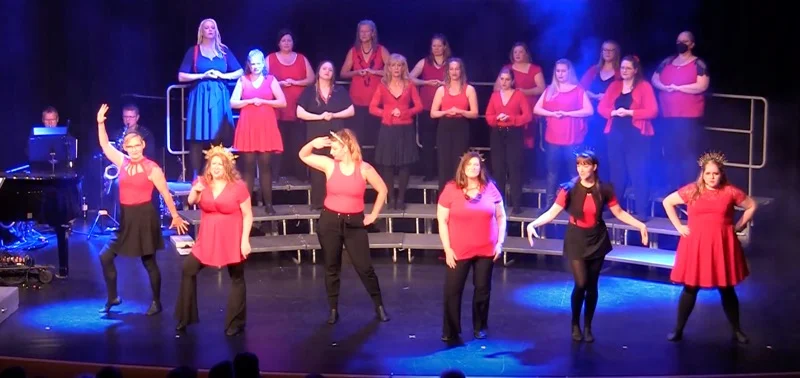
The Importance of Supporting Local ArtsThe Unique Energy and Connection of Live PerformancesThere is something truly special about the atmosphere surrounding live performances. Whether it’s the pulse of music, the raw emotion of singers, or the collective energy of an engaged audience, live arts create connections that go beyond simple entertainment. Supporting local arts brings this unique energy directly into our communities, fostering bonds that shape our cultural identity.We spoke with Colin Whitehead, Senior Financial Consultant at IG Wealth Management, the Show Sponsor for The Voices of Broadway's Show May 23rd, 2026 Show "Jukebox 2".Colin shares, “There’s nothing like live performances—the energy and connection you can’t replicate anywhere else. ” This firsthand passion fuels his commitment to supporting local arts, demonstrating how much these experiences can enrich both individuals and wider communities. As we explore why supporting local arts is vital today, we’ll uncover how it cultivates creativity, nurtures expression, and strengthens community spirit.What You'll LearnHow supporting local arts strengthens community identityThe parallels between arts and other professional disciplinesThe role of sponsorship in sustaining arts organizationsExpert insights from Colin Whitehead of IG Wealth ManagementUnderstanding the Role of Supporting Local Arts in Community DevelopmentDefining Supporting Local Arts and Its ImpactSupporting local arts refers broadly to the encouragement, funding, and participation in community-based artistic endeavors, such as music shows, theatre productions, visual arts projects, and performance ensembles. This form of support can come through ticket purchases, sponsorships, volunteerism, or promotion. The effect is far-reaching, impacting economic vitality, local pride, and especially the cultural identity of a place.Investing in local arts organizations often leads to the revitalization of neighborhoods, creation of jobs, and a stronger sense of belonging. Communities that prioritize arts support tend to enjoy more vibrant public spaces and stronger social cohesion. These benefits collectively nurture an environment in which creativity and collaboration can flourish, making local arts indispensable to community development.How Arts Foster Community Identity and Youth ExpressionThe arts serve as a powerful tool for community identity, providing a platform for both collective and individual expression. For youth especially, local arts programs offer a safe and inspiring space to explore creativity, develop confidence, and convey their unique stories. Participating in the arts encourages discipline, teamwork, and cultural awareness, helping young people find their voice and place in the world.“The arts don’t just entertain us, they develop who we are.” – Colin Whitehead, of IG Wealth ManagementSupporting local arts thus becomes a way of nurturing future generations while reinforcing a community's distinct cultural fabric. The impact is enduring, with arts programs often cited as essential in building strong, resilient, and connected communities.For those interested in the practical aspects of getting involved, exploring The Voices of Broadway sponsorship opportunities provides a clear pathway to support local arts organizations and see firsthand how sponsorship can make a tangible difference in your community.Expert Insights: Colin Whitehead on Supporting Local ArtsPersonal Connection to Music and CommunityColin Whitehead brings a deeply personal understanding to his sponsorship of local arts. "Music taught me discipline, creativity, and the power of community," he explains, reflecting on his years as a piano player and choir singer during his youth. This lifelong passion for music informs his belief in the transformative power of the arts.“Music taught me discipline, creativity, and the power of community.” – Colin Whitehead, Senior Financial Consultant at IG Wealth ManagementParallels Between Financial Planning and Supporting Local ArtsWhitehead draws interesting parallels between his profession and his arts sponsorship. "A good financial plan is like a well-composed piece of music. It’s structured, intentional, and built to last," he says. Both realms, he explains, require discipline, strategy, and creativity to succeed.This unique perspective allows Whitehead to connect with clients on a meaningful level about the importance of planning not only for financial futures but also for enriching cultural futures through support of local arts. His dual role emphasizes that just as personal financial well-being depends on thoughtful planning, so does community well-being rely on sustained support for the arts.Colin Whitehead of IG Wealth Management, Broadway Producers Level Sponsor of The Voices of Broadway Show Choir at Run Act 1 rehearsal.The Privilege and Honor of Sponsoring Arts OrganizationsFor Whitehead, sponsoring arts organizations is an honor that reflects a deep commitment to community values. He highlights that sponsorship extends beyond financial contributions—it’s about being genuinely involved and passionate."Supporting groups like The Voices of Broadway Show Choir is a way for me to give back to something that shaped me," he shares. This sentiment underscores the idea that sponsorship is a meaningful partnership, one that nurtures cultural growth and community identity over time.Benefits of Sponsoring Local Arts OrganizationsBrand Exposure and Community EngagementSponsoring local arts offers businesses valuable opportunities for brand visibility and community engagement. Events regularly attract diverse audiences and media attention, placing sponsors in a central role within the community fabric. This exposure can build brand loyalty by associating a company with positive, meaningful community initiatives."You're going to get a lot of exposure through the programs and being at the shows," notes Whitehead. He emphasizes that sponsorship fosters genuine connections with audiences and conveys a company’s commitment to cultural enrichment, which resonates deeply with local consumers.Long-Term Impact of Consistent SponsorshipWhitehead believes that the true value of sponsorship lies in consistency and passion rather than one-off engagements. "Sponsorship is not a one-and-done thing; it’s about passion and consistency," he says. Long-term partnerships allow brands to deepen relationships with communities and arts organizations, strengthening impact on both sides.Consistent support enhances both the sponsor's brand image and the ability of the arts organization to flourish, creating a virtuous cycle of growth and mutual benefit. This sustained involvement can transform community arts from underfunded initiatives into vital cultural pillars.“Sponsorship is not a one-and-done thing; it’s about passion and consistency.” – Colin WhiteheadHow Supporting Local Arts Enriches the London, Ontario CommunityUnique Role of the Voices of Broadway Show ChoirIn London, Ontario, The Voices of Broadway Show Choir plays a singular role, providing a dynamic artistic outlet unlike any other local group. As Whitehead points out, “The Voices of Broadway Show Choir is the only thing like it in London. ” This uniqueness makes the organization a vital cultural beacon for the city’s arts scene.The choir’s high-quality, passion-driven performances enrich the community’s cultural landscape and offer critical creative and social opportunities. Its visibility and growth have the potential to inspire broader community participation and appreciation for the arts.Opportunities for Growth in the Local Arts SceneWhitehead sees enormous potential for expanding support and participation in London’s arts community. "There’s a massive arts community, and growing exposure to groups like Voices of Broadway will be beneficial for the entire region," he observes.By increasing sponsorship and audience engagement, organizations can deepen their impact, help nurture local talent, and strengthen London's identity as an arts destination. Such growth promotes cultural vitality and economic opportunities, creating benefits that ripple throughout the community.Common Misconceptions About Supporting Local ArtsArts as Non-Essential vs. Arts as Community PillarsOne common misconception is that the arts are non-essential luxuries rather than foundational elements of community life. In reality, arts programs help shape civic pride, social connectedness, and identity, making them pillars that sustain communities emotionally and economically.Supporting local arts is not just charity—it’s an investment in the social fabric that influences education, mental health, and economic development. Recognizing the arts as essential encourages more meaningful support and integration within community planning.Financial Support Beyond Monetary ContributionsFinancial support is critical, but effective sponsorship goes beyond monetary donations. It includes advocacy, volunteering, promoting events, and leveraging networks to amplify arts organizations’ reach. Businesses and individuals can engage through multi-faceted support to maximize impact and sustainability.Whitehead exemplifies this by using his platform to raise awareness and champion the Voices of Broadway, demonstrating that sponsorship is as much about community involvement as funding.Actionable Tips for Businesses Considering SponsorshipAligning Sponsorship with Business ValuesChoosing to sponsor the right arts organization begins with alignment. Businesses should identify groups whose missions and values resonate with their own. This alignment fosters authentic partnerships that feel meaningful internally and communicate genuine commitment externally.Whitehead advises that sponsors "support something that you’re truly passionate about," ensuring long-term dedication and stronger impact within the community.Maximizing Brand Recognition Through Repetitive EngagementRepetition builds brand awareness and trust. Consistent presence at arts events, involvement in multiple performances, and ongoing promotion increase visibility and embed sponsors in community consciousness."It's about repetitiveness," explains Whitehead. Single sponsorships have limited impact, but sustained involvement drives meaningful recognition and goodwill.Leveraging Sponsorship for Community ImpactBeyond marketing benefits, sponsorship offers a chance to contribute to social good. Businesses should seek to use their influence and resources to elevate arts programs, connect communities, and foster cultural vitality.Supporting the arts becomes a catalyst for broader community enrichment, enhancing the lives of residents and contributing to a thriving local culture.Frequently Asked Questions About Supporting Local ArtsWhy is supporting local arts important for community identity?Supporting local arts nurtures shared cultural expression and fosters community pride, making neighborhoods more vibrant and cohesive.How can businesses benefit from sponsoring local arts organizations?Businesses gain brand exposure, strengthen community relationships, and demonstrate corporate social responsibility through sponsorship.What are effective ways to support local arts beyond financial contributions?Volunteering, promoting events, advocacy, and engaging employees in arts activities are all impactful ways to support arts organizations.How does supporting local arts impact personal development?Arts programs help build confidence, creativity, teamwork skills, and offer important outlets for self-expression.Key TakeawaysSupporting local arts strengthens community bonds and identity.Consistent sponsorship enhances both business brand and arts organizations.Arts provide vital opportunities for expression and confidence building.Aligning sponsorship with personal and business values maximizes impact.Conclusion: The Lasting Value of Supporting Local ArtsA Call to Action for Community and Business Leaders“Using my platform to promote the arts enriches our entire community.” – Colin WhiteheadHow to Get Involved and SupportAttend local performances like Voices of BroadwayConsider sponsorship opportunities aligned with your valuesSpread awareness about the importance of arts in community identityFor tickets to Jukebox 2 visit https://thevoicesofbroadway.com or to contact Colin visit https://www.ig.ca/en/advisor/colin_whiteheadIf you’re inspired to take your support for the arts to the next level, consider exploring the broader impact and strategic benefits of arts sponsorship in your community. If you are interested in becoming a sponsor for The Voices of Broadway Show Choir, check out The Voices of Broadway's Sponsorship page. By learning more about these opportunities, you can discover advanced ways to align your values with meaningful community engagement. Let your next step be one that amplifies both your impact and the cultural vibrancy of your city.Sourceshttps://thevoicesofbroadway.comhttps://www.ig.ca/en/advisor/colin_whitehead





Write A Comment