
Broadway buzz logo
London's Broadway Buzz
  • Home
  • Categories
    • Star Stories
    • Backstage Access
    • Musical History
    • Broadway Talks
    • Weekly Wrap
    • Director's Cut
    • Fan Spotlight
    • London Music Scene
August 12.2026
1 Minute Read

Don’t Miss Voices of Broadway Auditions on August 26, 2026!

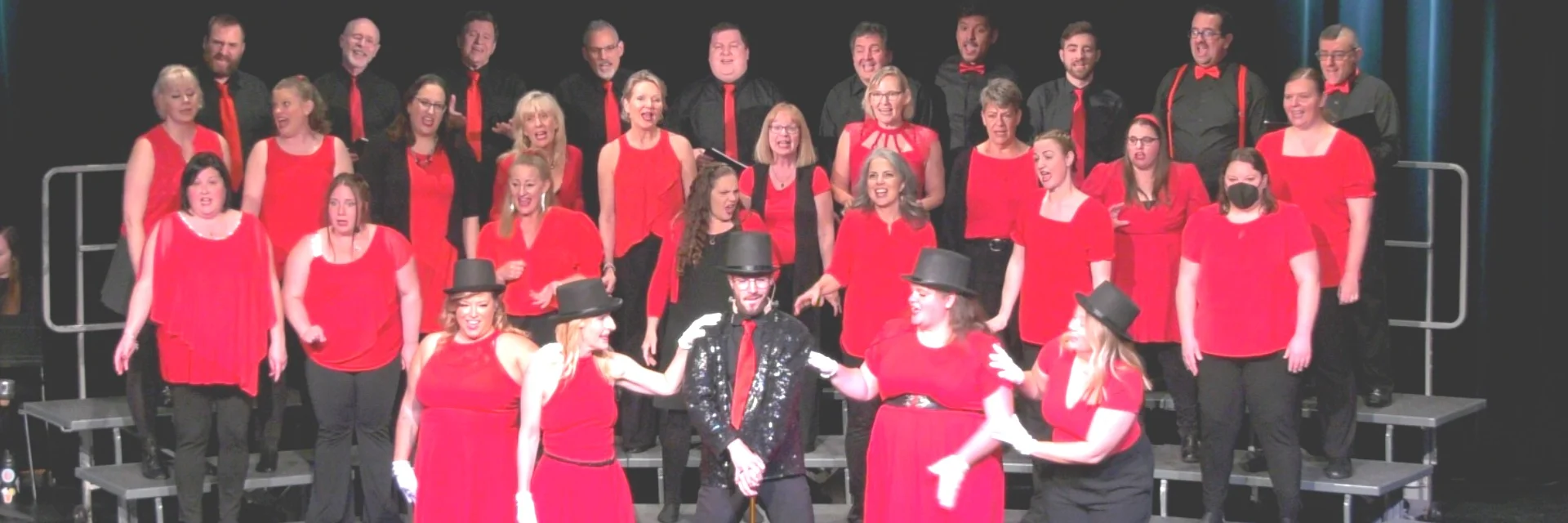
Diverse actors audition for Voices of Broadway on historic theater stage

Voices of Broadway Auditions

📆 Date & Time: Aug 26th, 2026 ⏰ 6:30 pm

📞 Phone: +12262711213

🌐 Website: https://auditions.thevoicesofbroadway.com

Price

FREE


Feeling Nervous to Audition? Here’s Why Voices of Broadway Auditions Are for You

Have you ever dreamed of singing your favourite Broadway hits—not in your living room, but on a real stage in front of enthusiastic audiences? Maybe you’ve imagined being part of something bigger, surrounded by friends who share your love for music and theatre. There’s always that mental roadblock that makes us question, “Am I good enough?” “What if I haven’t performed in years?” Or simply, “Where do I even start?” If any of this sounds like you, then the Voices of Broadway Auditions in London, Ontario are exactly what you’ve been searching for. This isn’t just another choir. It’s a welcoming, tight-knit musical theatre community with a 13-season legacy of bringing together people of all backgrounds and experience levels.

This August 26th, the invitation is yours: be part of Season 14 and discover what you’ve been missing. With only 10 new spots open this year, there’s never been a better (or more urgent) time to conquer your nerves and step into the spotlight. Missing out means missing the energy of “Defying Gravity,” the connection of “Seasons of Love,” and the pure fun of performing “One Day More” along with a team that’s all in it together. This isn’t just an audition. It’s a chance to find your stage, your song, and your second family.

Excited diverse singers at Voices of Broadway Auditions on theatrical stage

What Makes Voices of Broadway Auditions Different—And Why You’ll Feel Right at Home

The Voices of Broadway Auditions aren’t about perfection or years of formal training—they’re about heart, excitement, and community. Whether you’re a seasoned stage performer or someone who hasn’t sung since high school, you’ll find a low-pressure, supportive environment led by experienced professionals who are passionate about musical theatre. Everyone is welcome: all voice types, all ages, and all backgrounds. With decades of combined experience, the talented leadership team—including Artistic & Musical Director Julie Pietrangelo, Choreographer Danielle Bennett, and Collaborative Pianist Steven Morley—has designed a friendly audition process focused on making you feel comfortable from the moment you arrive.

Imagine walking into your audition unsure—and leaving confident, excited, and already feeling like you belong. Past members nearly all said the same thing: they worried they “weren’t good enough” or “didn’t know what to expect,” but by taking the leap, they found a supportive community and an outlet to reignite their passion for performing. Auditions are quick, welcoming, and open to anyone willing to share their love of Broadway music. If you’ve even considered auditioning for Voices of Broadway, this is your moment to try.

If you’re curious about what it’s like to be part of the group beyond auditions, you can explore more about the choir’s unique approach and see how the Voices of Broadway Show Choir has become a cornerstone of London’s musical theatre scene.
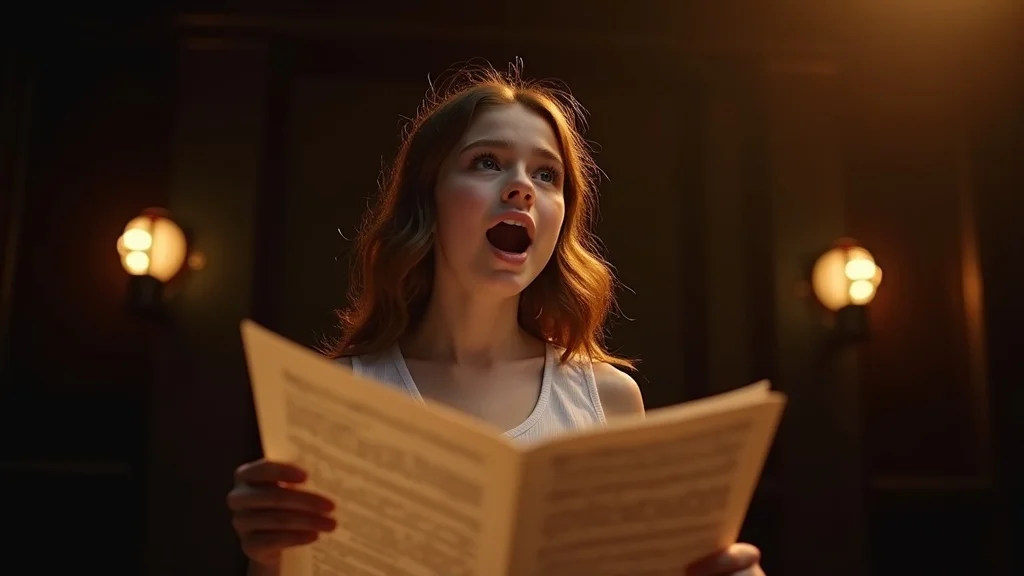
Hopeful auditionee holding sheet music at Voices of Broadway Auditions

Event Details—Your Quick Guide to Voices of Broadway Auditions in London

  • Event: Voices of Broadway Auditions (Season 14)

  • August 26th, 2026

  • Select a slot between 6:30–9:30 PM

  • Cost: Free to audition

  • Available Spots: Only 10 new singers will be welcomed this season

  • Registration: Reserve your audition spot online (takes less than 2 minutes!)

  • Contact: +1 226-271-1213

Who should audition? Anyone in London, Ontario and nearby who loves musical theatre, whether you’re ready to take the next step in performing or looking for a fun, inspiring community to join. No professional experience or ability to read music is required. All auditions are friendly, one-on-one, and designed to make you feel comfortable.

How do I prepare? Choose one Broadway song you love—bring full sheet music (not just chords) for our pianist. The audition includes a simple vocal range check, listening exercise, optional choreography placement, and a relaxed interview. There are no tricks or hidden assessments—just a real chance for you to shine.

Why the Voices of Broadway Auditions Are a Must for Musical Theatre Fans in London

Auditioning for Voices of Broadway is more than just trying out for a choir. It’s joining a passionate group with over 100 singers who have performed 200+ Broadway songs across 13 amazing seasons. You’ll have access to expert coaching from award-winning directors, weekly rehearsals filled with laughter and learning, and the thrill of performing in unforgettable shows for your community. What’s even better? Every singer, from complete beginners to experienced performers, gets the chance to grow, support one another, and build lasting friendships.
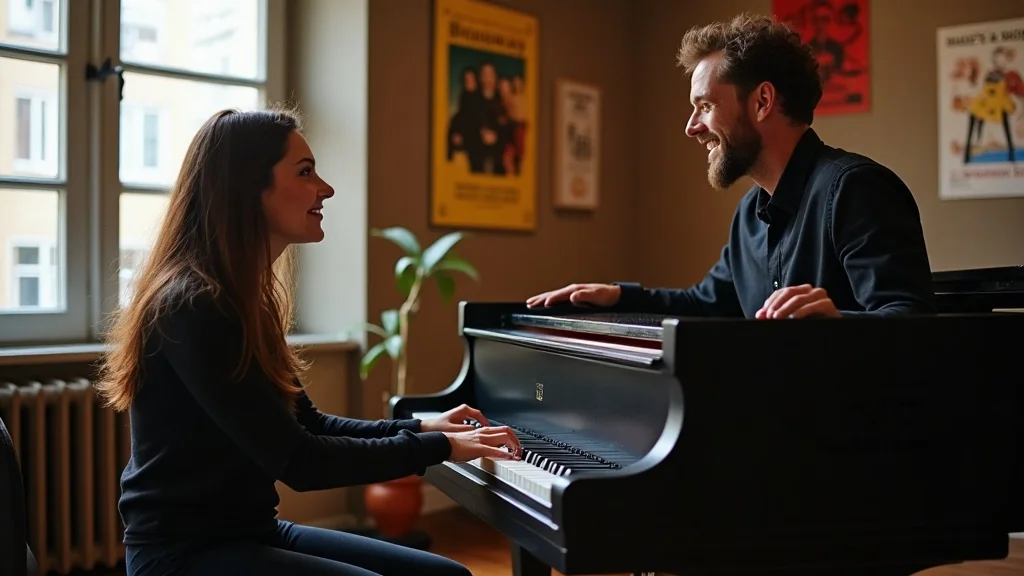
Musical director welcomes new singer at Voices of Broadway Auditions piano

Throughout the years, members have credited Voices of Broadway as being the place where they rediscovered their confidence, reignited their passion for theatre, and found a family that supports them both on and off the stage. The process is designed to be stress-free, so even if you haven’t performed in a long time—or ever!—you’ll feel right at home. Plus, with a satisfaction rating of 95%, almost everyone who joins says they wouldn’t trade this experience for anything.

Connect With London’s Vibrant Musical Theatre Community—Your Story Starts Here

London, Ontario has a thriving arts scene, and Voices of Broadway has become one of its standout musical ensembles. For over a decade, they’ve opened their doors to locals from all walks of life—bringing energy, talent, and heart to every rehearsal and show. Past auditionees have said, “I almost didn’t audition. Now I can’t imagine my life without this stage. ” That kind of community support is what makes this group so special. When you join, you’re not just performing; you become part of a community that cheers you on, pushes you to new heights, and makes every stage moment unforgettable.

The organizers behind Voices of Broadway are deeply connected to London’s arts and theatre scene, working year-round to craft performances that thrill audiences and foster strong bonds among members. The audition process itself is also a testament to the group’s welcoming spirit: everyone feels nervous at first, but the supportive environment and sincere encouragement turn nerves into excitement every time. In this group, you’re not just a voice in the crowd—you’re a valued member of the family.

Voices of Broadway choir performs Broadway classics in vibrant stage setting

There Are Only 10 Spots—Reserve Your Voices of Broadway Audition Today!

Imagine stepping on stage next season, feeling the excitement of the crowd and the pride of having made new friends through music you love. Spaces for the Voices of Broadway Auditions are truly limited—just 10 new members will be welcomed for Season 14, and with this group’s popularity, time slots fill fast. Don’t let nerves hold you back or let another Broadway season pass you by. Instead, give yourself a chance to grow, connect, and perform—and maybe even write your own story of finding your “musical theatre family. ”

Ready to discover your voice in London’s most welcoming musical theatre group? The first step is quick and easy: Reserve your audition spot for Voices of Broadway today or call +1 226-271-1213 for more info. Imagine looking back and being grateful you said YES—because this time, the stage could be yours.

Don’t miss your chance: Reserve your Voices of Broadway Audition for August 26th in London, Ontario now. The community and the stage are waiting for you!

If you’re inspired to learn more about the broader impact and ongoing legacy of London’s only Broadway choir, take a moment to visit the Voices of Broadway Show Choir website. There, you’ll find stories, upcoming events, and a deeper look at how this ensemble continues to shape the city’s vibrant arts community. Whether you’re a first-time auditionee or a seasoned performer, exploring their journey can offer valuable perspective and motivation for your own musical theatre adventure.

London Music Scene

1 Views

0 Comments

Write A Comment

*
*
Please complete the captcha to submit your comment.
Related Posts All Posts
08.14.2026

Exploring A Midsummer Night's Dream: A Gateway to Shakespeare for Youth

Update The Magic of Shakespeare: A Gateway to New Generations As the curtain rises on the much-anticipated 2026 production of A Midsummer Night's Dream at the Stratford Festival, it is not just the beauty of Shakespeare’s language that captivates audiences; it is the transformative experience that unfolds for them. Director Graham Abbey expresses a nostalgic connection to the play as he shares how it marked his introduction to the world of Shakespeare. "For me, it's play first. For me, it's Shakespeare first," Abbey reflects, emphasizing how critical this work is as a bridge for young audiences to discover the Bard.In A Midsummer Night's Dream: A Gateway to Shakespeare, the exploration of art's impact on youth inspires us to analyze how productions can enrich children's cultural experiences. A Timeless Tale with Relatable Characters A Midsummer Night's Dream is often termed a gateway play for children, and this is no coincidence. Abbey’s vision for the 2026 production is clear: he wants to create a welcoming environment that allows young viewers to connect with the themes of love, confusion, and enchantment present in the play. He recalls the moment he first engaged with Shakespeare's language, enthralled by its cadences and rhythms, and hopes that today’s youth will have a similar epiphany. Making Shakespeare Accessible The challenge of making Shakespeare accessible to young people remains an optimistic endeavor. Abbey desires to achieve more than merely performing the text well; he aims to inspire children to feel a kinship with the characters. He hopes that when students witness the magic of the stories, they will resonate with the struggles and triumphs of characters like Hermia, Lysander, and Puck. By bringing the narrative to life, Abbey envisions a generation saying, "Hey, I kind of enjoyed that!" That recognition can lead them into a deeper engagement with Shakespeare's entire canon. Creating Comfortable Experiences for Young Audiences With these sentiments, Abbey acknowledges the importance of comfort during a theater experience. The anticipation of bringing a significant text to the stage comes with a responsibility: ensuring that young audiences feel invited to explore. By orchestrating a performance that feels relatable, Abbey can break the ice for newcomers, allowing them to let down their guards and open their hearts to the enchantment of Shakespeare’s works. Future Perspectives on the Impact of Theatre As we think about the future of theater, it's crucial to recognize the role productions like A Midsummer Night's Dream play in shaping cultural narratives. A dynamic production can spark interest in the arts and encourage appreciation beyond the school curriculum. Abbey aims to plant the seeds of creativity and storytelling, showing young people that they too can engage with these historic texts and become part of the ongoing conversation around art, history, and the human experience. Reflections on Personal Journeys Through Theater The emotional ties that bind individuals to art often originate in childhood. Abbey’s own experience as a child immersing himself in theater is a testament to how formative these experiences can be. By sharing his journey, he reminds audiences of their own stories—those moments in youth that ignited a passion or challenged their perceptions. As the production draws nearer, those connections remind families as well that they are part of a living tradition, influenced by works that have weathered centuries yet continue to inspire. Invitation to Experience the Magic As the curtain prepares to rise in Stratford, Abbey's vision for A Midsummer Night's Dream serves as an open invitation to young audiences, parents, and Shakespeare enthusiasts alike. It is more than just a performance; it is a journey into the world of imagination, possibility, and personal connection. So, mark your calendars and gather your family—this is an experience not just to witness, but to be part of.

08.12.2026

Exploring Social Identity in Wilde's The Importance of Being Earnest

Update Unmasking the Social Facade: Wilde's Perfectly Crafted Earnestness Oscar Wilde's The Importance of Being Earnest stands as a resounding testimony to the complexity of societal expectations and human interactions. The play navigates through the seemingly trivial yet profoundly meaningful dialogue of its characters, showcasing how conversations can reveal deeper truths hidden beneath layers of social performance. Krista Jackson, the director of the Stratford Festival's upcoming rendition, emphasized how these conversations unfold against the backdrop of London's urban setting and the idyllic countryside. Each turn of phrase and witty exchange captures the essence of human connection, exposing both the hilarity and the absurdity of the Victorian upper class.In The Importance of Being Earnest: Wilde's Words | Stratford Festival 2026, we explore how Wilde’s witty and layered dialogue tackles complex themes of identity and societal norms, a conversation that invites deeper reflection. Backdrops of Wit: From London to the Countryside The structure of the play is deliberate and yet playful, moving from Algernon's flat in London to the serene countryside and back again. This progression mirrors the characters' attempts to escape societal constraints. Jackson elaborates on how these settings facilitate the exploration of identity and public versus private personas. In the elegance of London salons, characters adhere to strict social codes; meanwhile, the rustic backdrop of the countryside invites a more relaxed approach to identity. By contrasting these environments, Wilde underscores the tension between societal norms and personal authenticity. Words as Weapons: The Rhetoric of Earnestness At the heart of Wilde's narrative lies the deliciously sharp dialogue that reveals the hypocrisy of social norms. The playful banter between Algernon and his Aunt Augusta is not merely humorous; it functions as a critique of the very fabric of Victorian society. As Jackson points out, Wilde’s language is essential, transforming simple exchanges into dramatic volleys that ensure the audience is both entertained and engaged. The words possess an inherent power, crafting a reality that invites reflection on who we are versus who we present to the world. Understanding Earnestness: The Intersection of Performance and Truth The play challenges us to ask: does sincerity exist in a world governed by pretense? The directors of the Stratford Festival are honored to bring such complex themes to life through skilled performances. With actors embodying Wilde's richly layered characters, audiences are not only watching a play; they’re partaking in an exploration of identity, intent, and the art of communication. Wilde cleverly invites spectators to decipher whether the characters truly understand their own words—a question that resonates beyond the theatrical realm. Connecting Through Laughter: The Emotional Impact of Comedy Through this reinterpretation, Jackson believes the emotional layers of the story can resonate more deeply. Laughter, woven into the dialogue, serves as a mechanism for connection. It bridges gaps between the audience and the characters, highlighting shared human experiences and vulnerabilities. Jackson's approach to directing emphasizes that while the dialogue often seems light-hearted, it carries weight, offering critical reflections on social dynamics—something that remains relevant today. What Lies Ahead: Future Trends in Theater and Literature As we prepare for the Stratford Festival's performance, it’s interesting to consider future trends in theater. Will we continue to see revelations of societal norms through the lens of comedy? Jackson's directorial choices suggest that as long as society constructs facades, there will be a need to peel those layers away to reveal the truth beneath. The blend of humor and poignant social commentary in Wilde’s work might pave the way for contemporary storytellers to explore similar themes, ensuring that the dialogue about identity, sincerity, and performance continues across different mediums. Conclusion: Join the Conversation As audiences gear up for this portrayal of The Importance of Being Earnest, they are invited not just to witness a play, but to engage in a cultural exploration of identity through laughter, words, and the performances that bring Wilde’s clever commentary to life. As you consider the messages delivered through the art of theater, reflect on how performance plays a role in your own life. Whether at the Stratford Festival or in everyday interactions, the exploration of who we are versus who we portray to the world is a dialogue worth engaging in.

08.04.2026

Don't Miss This Crucial Audition Notice—Act Fast!

Imagine stepping onto the brightly lit stage, the energy of opening night buzzing in the air, as you proudly join other strong singers and actors bringing the magic of musical theatre to life. The secret to making this scenario a reality? Acting fast when you see an audition notice—especially one as important as the current call for the Voices of Broadway Show Choir! This article shows you why reacting quickly to the right audition notices can launch your performing journey and how to stand out in the spotlight. Why This Audition Notice Matters to Aspiring Performers Overview of this audition notice for the Voices of Broadway Show Choir Why timely audition notices are the gateway to opportunity How audition notices impact your chances in musical theatre The audition notice for the Voices of Broadway Show Choir is more than an invitation—it's your chance to shine among strong singers, strong actors, and individuals eager to make their mark in musical theatre. Audition notices like this serve as official gateways to new york-style opportunities even if you’re auditioning from places like los angeles, marco island, or online audition platforms. Responding to a legitimate, timely posting may also give you a head start, especially where audition dates are limited and the production team seeks the most committed performers. When you find a credible audition notice, every minute counts. Acting promptly means you may secure an audition appointment before slots are filled, and it shows the artistic director and stage manager your professionalism from the start. Great audition notices outline musical theatre requirements, vocal range requests for both male and female performers, and details for headshot and resume submission—each detail helps stage managers streamline their production team for first rehearsal. Don’t risk missing your dream role because you hesitated! What You'll Learn from This Audition Notice Guide How to find credible audition notices Essential steps to responding to an audition notice Best practices for preparing for a musical theatre audition Insights on stage manager expectations and tips If you’re serious about musical theatre, this guide delivers clear, actionable answers. You’ll learn the fastest ways to spot genuine audition notices, respond with confidence, prepare winning audition materials, and communicate smoothly with production team members like the stage manager. Whether you sing solo vocal lines, bring strong acting chops, or are new to show choir, you’ll discover what makes the difference between another application and a callback—no matter if you’re pursuing a ny audition or seeking opportunities elsewhere. Understanding an Audition Notice: Purpose and Structure What is an Audition Notice? Definition of audition notice versus audition notices Differences between audition notice and casting notice How audition notices serve musical theatre and stage manager needs An audition notice is an official announcement, usually issued by a production team or stage manager, alerting singers, actors, and dancers of upcoming auditions for a musical theatre, play, or stage project. Unlike a casting notice, which may include broader information or general open calls, an audition notice is more specific—it lays out the exact requirements and instructions for applying. Audition notices may also include essential details like opening night date, required repertoire (such as solo vocal and sheet music selections), and the direct contact for the stage manager to clarify submission materials. For aspiring performers, reading audition notices carefully can make all the difference—especially in competitive environments like new york, los angeles, or even smaller regions like marco island. Knowing the difference between audition and casting notices helps guide your preparation. Stage managers rely on clear notices to ensure each auditionee knows precisely what's expected, from headshot and resume formatting to video file name conventions for online auditions. This clarity helps everyone involved, from strong singers to mature adult solo performers. Key Elements in an Audition Notice Typical information found in professional audition notices Relevance of including role specifics, musical theatre requirements, and stage manager details How to recognize legitimate audition notices Every valid audition notice features a few must-have segments: a detailed role description (for example, seeking male and female strong singers or strong actors for musical theatre), submission guidelines listing files and materials requested (like a headshot and resume, 16 bars of a vocal range-appropriate song, or demo files), and contact information—most often, the stage manager or artistic director. These aids help clarify requirements, whether you’re answering a pa audition, fl audition, or ny audition. Legitimate audition notices come from verified production teams or authorized stage managers and will always explain how, where, and when to submit your materials. Be sure to include the name of your files following the specific conventions noted, and take care to prepare all items listed, from sheet music to solo vocal pieces. Recognizing these professional standards is key to avoiding scams or time-wasting auditions that won’t lead to a legitimate callback or first rehearsal. Step-by-Step: Responding Effectively to an Audition Notice Read the audition notice thoroughly Note musical theatre specifics and required materials Follow submission procedures Contact the stage manager if clarification is needed Prepare required pieces for musical theatre auditions Start by reading every word of the audition notice. Overlooked details—like file name requirements or specific solo vocal selections—could result in missing out, even if you’re a strong singer. Make sure you mark audition dates and confirm if submissions require a virtual video or in-person attendance (especially for online audition and ny audition processes). Next, gather and organize materials as instructed (for example, a high-quality headshot and resume), ensure you’ve prepared your vocal range selections, and double-check the submission process. If anything remains unclear, stage managers are the best point of contact—reach out rather than guess. A well-prepared submission is your best introduction to the production team and shows you respect the process from the outset. Best Practices: Showcasing Your Talent in Response to an Audition Notice Song and performance choice for musical theatre auditions Interaction tips with the stage manager How to ensure your audition stands out for the Voices of Broadway For musical theatre auditions, your song choices should highlight your vocal range and personality—choose contrasting selections demonstrating you are a strong singer and strong actor. Skills like presence, connection, and style are as important as hitting the right notes; so rehearse each piece as if it were opening night. If you’re sending a video, make sure your setup captures clear sound and flattering light. Communicate with the stage manager professionally and courteously. Please include any additional materials or references requested, and always respond promptly if there’s follow-up. A thoughtful, enthusiastic approach—paired with a resume highlighting musical theatre, mature adult experience, or pa audition credits—shows the production team you’re serious, dedicated, and ready to represent Voices of Broadway Show Choir. Understanding the Role of the Stage Manager in Audition Notices Stage Manager Responsibilities in the Audition Process Coordinating musical theatre auditions Communicating with auditionees Ensuring smooth transition from audition notice to callback The stage manager is a pivotal figure during every audition cycle. Their job in the context of an audition notice is to coordinate each logistical aspect: scheduling audition appointments, confirming first rehearsal details, and communicating changes or clarifications to auditionees. They may also handle technical questions, file name specifications, and the security of your headshot and resume. Strong communication with the stage manager can help you stand out as a reliable, organized performer—qualities every artistic director, production team, and fellow cast member values. Treat every email and call with professionalism; your responsiveness could become your first “mini audition,” demonstrating that you’re as strong an actor offstage as on. Key Differences: Equity Auditions, Open Calls, and Targeted Audition Notices What defines equity auditions, open calls, and invitation-only audition notices When to expect each type during your musical theatre career Aspiring performers often encounter several types of audition notices. Equity auditions are structured for members of the Actors’ Equity Association and often offer union-based protections and negotiated pay scales—common in major markets like new york or los angeles. Open calls invite anyone (male and female, mature adult and young performer alike) to audition for a role, though competition is much higher and slots fill quickly. In contrast, targeted or invitation-only audition notices are sent to selected performers, usually based on resume or past work (perhaps you’ve demonstrated a strong singer or strong actor reputation). Recognizing which kind of notice you’re responding to allows you to tailor your application and maximize your chances for a callback—no matter if it’s a ny audition, fl audition, or ct audition scenario. Quotes from Successful Auditionees and Industry Professionals "A strong audition notice gives you an invaluable head start—always read and prepare wisely." – Broadway casting director Watch industry professionals break down the top features of an effective audition notice, share real-life tips from successful equity auditions, and highlight why timely, detailed notices are your best friend for musical theatre success. Table: Breakdown of a Professional Audition Notice Audition Notice Section Purpose Example/Text Role Description Explains what is being cast 'Seeking tenors for Voices of Broadway' Submission Requirements Describes materials to be submitted '16 bars of musical theatre song, resume, headshot.' Contact/Stage Manager Who to reach for questions 'Contact: Jane Smith, Stage Manager' Current Audition Notice: Voices of Broadway Show Choir Details Performance opportunities for musical theatre singers Role requirements and expectations Stage manager point of contact Submission instructions as per the official audition notice The official audition notice for the Voices of Broadway Show Choir welcomes both male and female strong singers with a passion for musical theatre and ensemble harmony. Performance opportunities span a range of classic and contemporary Broadway numbers, and both mature adults and younger performers are encouraged to apply. The choir values applicants with strong actor and solo vocal abilities, making it a perfect fit for those ready to shine in a collaborative, high-energy setting. According to the production team, required submission materials include your updated resume, professional headshot, and two contrasting musical theatre selections (to demonstrate your vocal range). Contact the stage manager directly with questions, and carefully follow instructions for file name formatting and submission requirements. Please note that video auditions are accepted, providing even greater access for talent from pa audition, fl audition, or online audition locations. Lists: What to Prepare Before Responding to an Audition Notice Updated resume and headshot per the audition notice Two contrasting musical theatre selections Reference list (if requested by stage manager) Video recording setup tips for virtual audition notices Preparation makes all the difference. Start by updating your resume and headshot, clearly labeling each file name as specified in the audition notice. Choose musical theatre selections that display your best vocal range and ability to embody strong actor qualities. If you’re participating in a virtual audition, ensure your recording space is tidy and well-lit, with all necessary sheet music and materials ready. Please include references if requested, and rehearse with the same energy you’ll bring to opening night. Check out expert advice on selecting the right songs, headshot and resume presentation, and how to communicate with stage managers so your audition notice response rises to the top. People Also Ask How to write an audition notice? Important points for drafting a clear audition notice Including essential details for musical theatre and stage manager communication Drafting a clear audition notice starts with transparency: specify the role and type of performer (strong singer, strong actor, mature adult, etc. ), outline submission requirements (resume, headshot, video, vocal range), and state the preferred method of communication, typically with the stage manager’s contact. Make sure to include the production team name, audition dates, and directions about file name and format. Providing these details not only streamlines responses but builds trust with auditionees. What are audition notices for upcoming productions called? Distinguishing between audition notice, casting notice, and call for submissions Upcoming theatre opportunities are typically promoted as audition notices, casting notices, or calls for submissions. An audition notice is often more specific—describing the musical theatre production, audition dates, and submission process—while a casting notice might cover a general search for strong actors across multiple projects. If you see a call for submissions, that usually means anyone may send their materials, though instructions typically clarify whether it’s for a particular equity auditions cycle, ny audition, or another event. What is a casting notice? Differences between a casting notice and audition notice in musical theatre A casting notice is an open invitation for talent to submit their interest in multiple roles or productions—it can precede an audition notice. In contrast, an audition notice comes after, specifying step-by-step instructions tailored to a project, including file name and resume needs, stage manager information, and requirements for strong singer or strong actor submissions. Both are vital in the musical theatre world, but following the audition notice exactly is what lands you a chance at opening night. What is an audition request? Defining an audition request as compared to an audition notice An audition request is typically personalized—a response from the production team inviting you, specifically, to participate, often as a result of sending in materials for a previous audition notice. Unlike public audition notices, audition requests are targeted and may set out audition appointment times or ask you to prepare for a callback. Always respond quickly, confirm the details with the artistic director or stage manager, and ask clarifying questions if needed. FAQs: Everything You Need to Know About an Audition Notice How do I find the latest audition notices? Stay up to date by regularly checking reputable websites, following theatre companies on social media, and signing up for email lists. Online audition platforms often offer tailored alerts for new york, los angeles, and regional opportunities. What is the difference between open and closed audition notices? Open audition notices welcome all interested performers, while closed audition notices (sometimes called invitation-only or equity auditions) require pre-approval or union membership. Always read the specifics to know who may apply. Can stage managers influence audition notice requirements? Yes; stage managers often work closely with the artistic director and production team to finalize audition requirements, clarify submission instructions, and ensure auditions run smoothly from the initial notice through the first rehearsal. Key Takeaways Always act quickly on a new audition notice Follow all submission guidelines for musical theatre auditions Maintain open communication with the stage manager Ready to Sing? Secure Your Spot Now Visit auditions.thevoicesofbroadway.com to book your audition. Don’t wait—your next stage breakthrough could be just one audition notice away!

London's Broadway Buzz

This media channel covers the London Musical Theatre scene as well as the larger Broadway Musical focus

COMPANY

  • Privacy Policy
  • Terms of Use
  • Advertise
  • Contact Us
  • Menu 5
  • Menu 6

+12262711213

AVAILABLE FROM 8AM - 5PM

The Voices of Broadway

1795 Avon Dr, Belmont, ON

ABOUT US

London's Broadway Buzz is owned by The Voices of Broadway Show Choir, 

© 2026 The Voices of Broadway Show Choir All Rights Reserved. 1795 Avon Dr, Belmont, ON 00000 . Contact Us . Terms of Service . Privacy Policy

eyJjb21wYW55IjoiVGhlIFZvaWNlcyBvZiBCcm9hZHdheSBTaG93IENob2lyIiwiYWRkcmVzcyI6IjE3OTUgQXZvbiBEciIsImNpdHkiOiJCZWxtb250Iiwic3RhdGUiOiJPTiIsInppcCI6IjAwMDAwIiwiZW1haWwiOiJtYXJrZXRpbmdAdGhldm9pY2Vzb2Zicm9hZHdheS5jb20iLCJ0b3MiOiJQSEErUEhOMGNtOXVaejQ4WlcwK1YyaGxiaUI1YjNVZ2MybG5iaTFwYmlCM2FYUm9JSFZ6TENCNWIzVWdZWEpsSUdkcGRtbHVaeVp1WW5Od095QjViM1Z5SUhCbGNtMXBjM05wYjI0Z1lXNWtJR052Ym5ObGJuUWdkRzhnYzJWdVpDQjViM1VnWlcxaGFXd2dZVzVrTDI5eUlGTk5VeUIwWlhoMElHMWxjM05oWjJWekxpQkNlU0JqYUdWamEybHVaeUIwYUdVZ1ZHVnliWE1nWVc1a0lFTnZibVJwZEdsdmJuTWdZbTk0SUdGdVpDQmllU0J6YVdkdWFXNW5JR2x1SUhsdmRTQmhkWFJ2YldGMGFXTmhiR3g1SUdOdmJtWnBjbTBnZEdoaGRDQjViM1VnWVdOalpYQjBJR0ZzYkNCMFpYSnRjeUJwYmlCMGFHbHpJR0ZuY21WbGJXVnVkQzQ4TDJWdFBqd3ZjM1J5YjI1blBqd3ZjRDRLQ2p4d1BqeGhJR2h5WldZOUltaDBkSEE2THk5M2QzY3VaMjl2WjJ4bExtTnZiU0krYUhSMGNEb3ZMM2QzZHk1bmIyOW5iR1V1WTI5dFBDOWhQand2Y0Q0S0NqeHdQaVp1WW5Od096d3ZjRDRLQ2p4d1BqeHpkSEp2Ym1jK1UwVlNWa2xEUlR3dmMzUnliMjVuUGp3dmNENEtDanh3UGxkbElIQnliM1pwWkdVZ1lTQnpaWEoyYVdObElIUm9ZWFFnWTNWeWNtVnVkR3g1SUdGc2JHOTNjeUI1YjNVZ2RHOGdjbVZqWldsMlpTQnlaWEYxWlhOMGN5Qm1iM0lnWm1WbFpHSmhZMnNzSUdOdmJYQmhibmtnYVc1bWIzSnRZWFJwYjI0c0lIQnliMjF2ZEdsdmJtRnNJR2x1Wm05eWJXRjBhVzl1TENCamIyMXdZVzU1SUdGc1pYSjBjeXdnWTI5MWNHOXVjeXdnWkdselkyOTFiblJ6SUdGdVpDQnZkR2hsY2lCdWIzUnBabWxqWVhScGIyNXpJSFJ2SUhsdmRYSWdaVzFoYVd3Z1lXUmtjbVZ6Y3lCaGJtUXZiM0lnWTJWc2JIVnNZWElnY0dodmJtVWdiM0lnWkdWMmFXTmxMaUJaYjNVZ2RXNWtaWEp6ZEdGdVpDQmhibVFnWVdkeVpXVWdkR2hoZENCMGFHVWdVMlZ5ZG1salpTQnBjeUJ3Y205MmFXUmxaQ0FtY1hWdmREdEJVeTFKVXlaeGRXOTBPeUJoYm1RZ2RHaGhkQ0IzWlNCaGMzTjFiV1VnYm04Z2NtVnpjRzl1YzJsaWFXeHBkSGtnWm05eUlIUm9aU0IwYVcxbGJHbHVaWE56TENCa1pXeGxkR2x2Yml3Z2JXbHpMV1JsYkdsMlpYSjVJRzl5SUdaaGFXeDFjbVVnZEc4Z2MzUnZjbVVnWVc1NUlIVnpaWElnWTI5dGJYVnVhV05oZEdsdmJuTWdiM0lnY0dWeWMyOXVZV3hwZW1GMGFXOXVJSE5sZEhScGJtZHpMand2Y0Q0S0NqeHdQbGx2ZFNCaGNtVWdjbVZ6Y0c5dWMybGliR1VnWm05eUlHOWlkR0ZwYm1sdVp5QmhZMk5sYzNNZ2RHOGdkR2hsSUZObGNuWnBZMlVnWVc1a0lIUm9ZWFFnWVdOalpYTnpJRzFoZVNCcGJuWnZiSFpsSUhSb2FYSmtJSEJoY25SNUlHWmxaWE1nS0hOMVkyZ2dZWE1nVTAxVElIUmxlSFFnYldWemMyRm5aWE1zSUVsdWRHVnlibVYwSUhObGNuWnBZMlVnY0hKdmRtbGtaWElnYjNJZ1kyVnNiSFZzWVhJZ1lXbHlkR2x0WlNCamFHRnlaMlZ6S1M0Z1dXOTFJR0Z5WlNCeVpYTndiMjV6YVdKc1pTQm1iM0lnZEdodmMyVWdabVZsY3l3Z2FXNWpiSFZrYVc1bklIUm9iM05sSUdabFpYTWdZWE56YjJOcFlYUmxaQ0IzYVhSb0lIUm9aU0JrYVhOd2JHRjVJRzl5SUdSbGJHbDJaWEo1SUc5bUlHVmhZMmdnVTAxVElIUmxlSFFnYldWemMyRm5aU0J6Wlc1MElIUnZJSGx2ZFNCaWVTQjFjeTRnU1c0Z1lXUmthWFJwYjI0c0lIbHZkU0J0ZFhOMElIQnliM1pwWkdVZ1lXNWtJR0Z5WlNCeVpYTndiMjV6YVdKc1pTQm1iM0lnWVd4c0lHVnhkV2x3YldWdWRDQnVaV05sYzNOaGNua2dkRzhnWVdOalpYTnpJSFJvWlNCVFpYSjJhV05sSUdGdVpDQnlaV05sYVhabElIUm9aU0JUVFZNZ2RHVjRkQ0J0WlhOellXZGxjeTRnVjJVZ1pHOGdibTkwSUdOb1lYSm5aU0JoYm5rZ1ptVmxjeUJtYjNJZ1pHVnNhWFpsY25rZ2IyWWdaVzFoYVd3Z2IzSWdVMDFUTGlCVWFHbHpJR2x6SUdFZ1puSmxaU0J6WlhKMmFXTmxJSEJ5YjNacFpHVmtJR0o1SUhWekxpQkliM2RsZG1WeUxDQndiR1ZoYzJVZ1kyaGxZMnNnZDJsMGFDQjViM1Z5SUdsdWRHVnlibVYwSUhObGNuWnBZMlVnY0hKdmRtbGtaWElnWVc1a0lHTmxiR3gxYkdGeUlHTmhjbkpwWlhJZ1ptOXlJR0Z1ZVNCamFHRnlaMlZ6SUhSb1lYUWdiV0Y1SUdsdVkzVnlJR0Z6SUdFZ2NtVnpkV3gwSUdaeWIyMGdjbVZqWldsMmFXNW5JR1Z0WVdsc0lHRnVaQ0JUVFZNZ2RHVjRkQ0J0WlhOellXZGxjeUIwYUdGMElIZGxJR1JsYkdsMlpYSWdkWEJ2YmlCNWIzVnlJRzl3ZEMxcGJpQmhibVFnY21WbmFYTjBjbUYwYVc5dUlIZHBkR2dnYjNWeUlHVnRZV2xzSUdGdVpDQlRUVk1nYzJWeWRtbGpaWE11SUZsdmRTQmpZVzRnWTJGdVkyVnNJR0YwSUdGdWVTQjBhVzFsTGlCS2RYTjBJSFJsZUhRZ0puRjFiM1E3VTFSUFVDWnhkVzkwT3lCMGJ5QThhR2xuYUd4cFoyaDBJR05zWVhOelBTSmpiMjF3WVc1NVVHaHZibVZWY0dSaGRHVWlQaXN4TWpJMk1qY3hNVEl4TXp3dmFHbG5hR3hwWjJoMFBpNGdRV1owWlhJZ2VXOTFJSE5sYm1RZ2RHaGxJRk5OVXlCdFpYTnpZV2RsSUNaeGRXOTBPMU5VVDFBbWNYVnZkRHNnZEc4Z2RYTXNJSGRsSUhkcGJHd2djMlZ1WkNCNWIzVWdZVzRnVTAxVElHMWxjM05oWjJVZ2RHOGdZMjl1Wm1seWJTQjBhR0YwSUhsdmRTQm9ZWFpsSUdKbFpXNGdkVzV6ZFdKelkzSnBZbVZrTGlCQlpuUmxjaUIwYUdsekxDQjViM1VnZDJsc2JDQnVieUJzYjI1blpYSWdjbVZqWldsMlpTQlRUVk1nYldWemMyRm5aWE1nWm5KdmJTQjFjeTQ4TDNBK0NnbzhjRDQ4YzNSeWIyNW5QbGxQVlZJZ1VrVkhTVk5VVWtGVVNVOU9JRTlDVEVsSFFWUkpUMDVUUEM5emRISnZibWMrUEM5d1Bnb0tQSEErU1c0Z1kyOXVjMmxrWlhKaGRHbHZiaUJ2WmlCNWIzVnlJSFZ6WlNCdlppQjBhR1VnVTJWeWRtbGpaU3dnZVc5MUlHRm5jbVZsSUhSdk9qd3ZjRDRLQ2p4dmJENEtDVHhzYVQ1d2NtOTJhV1JsSUhSeWRXVXNJR0ZqWTNWeVlYUmxMQ0JqZFhKeVpXNTBJR0Z1WkNCamIyMXdiR1YwWlNCcGJtWnZjbTFoZEdsdmJpQmhZbTkxZENCNWIzVnljMlZzWmlCaGN5QndjbTl0Y0hSbFpDQmllU0IwYUdVZ1UyVnlkbWxqWlNZak16azdjeUJ5WldkcGMzUnlZWFJwYjI0Z1ptOXliU0FvYzNWamFDQnBibVp2Y20xaGRHbHZiaUJpWldsdVp5QjBhR1VnSm5GMWIzUTdVbVZuYVhOMGNtRjBhVzl1SUVSaGRHRW1jWFZ2ZERzcElHRnVaRHd2YkdrK0NnazhiR2srYldGcGJuUmhhVzRnWVc1a0lIQnliMjF3ZEd4NUlIVndaR0YwWlNCMGFHVWdVbVZuYVhOMGNtRjBhVzl1SUVSaGRHRWdkRzhnYTJWbGNDQnBkQ0IwY25WbExDQmhZMk4xY21GMFpTd2dZM1Z5Y21WdWRDQmhibVFnWTI5dGNHeGxkR1V1SUVsbUlIbHZkU0J3Y205MmFXUmxJR0Z1ZVNCcGJtWnZjbTFoZEdsdmJpQjBhR0YwSUdseklIVnVkSEoxWlN3Z2FXNWhZMk4xY21GMFpTd2dibTkwSUdOMWNuSmxiblFnYjNJZ2FXNWpiMjF3YkdWMFpTd2diM0lnZDJVZ2FHRjJaU0J5WldGemIyNWhZbXhsSUdkeWIzVnVaSE1nZEc4Z2MzVnpjR1ZqZENCMGFHRjBJSE4xWTJnZ2FXNW1iM0p0WVhScGIyNGdhWE1nZFc1MGNuVmxMQ0JwYm1GalkzVnlZWFJsTENCdWIzUWdZM1Z5Y21WdWRDQnZjaUJwYm1OdmJYQnNaWFJsTENCM1pTQm9ZWFpsSUhSb1pTQnlhV2RvZENCMGJ5QnpkWE53Wlc1a0lHOXlJRHh6ZEhKdmJtYytQSE53WVc0Z2MzUjViR1U5SW1OdmJHOXlPaU5HUmpBd01EQTdJajUwWlhKdGFXNWhkR1VnZVc5MWNpQmhZMk52ZFc1MEwzQnliMlpwYkdVZ1lXNWtJSEpsWm5WelpTQmhibmtnWVc1a0lHRnNiQ0JqZFhKeVpXNTBJRzl5SUdaMWRIVnlaU0IxYzJVZ2IyWWdkR2hsSUZObGNuWnBZMlVnS0c5eUlHRnVlU0J3YjNKMGFXOXVJSFJvWlhKbGIyWXBMand2YzNCaGJqNDhMM04wY205dVp6NDhMMnhwUGdvOEwyOXNQZ29LUEhBK0ptNWljM0E3UEM5d1BnbzhhR2xuYUd4cFoyaDBJR05zWVhOelBTSmpiMjF3WVc1NVRtRnRaVlZ3WkdGMFpTSStWR2hsSUZadmFXTmxjeUJ2WmlCQ2NtOWhaSGRoZVNCVGFHOTNJRU5vYjJseVBDOW9hV2RvYkdsbmFIUStQR0p5SUM4K0NqeG9hV2RvYkdsbmFIUWdZMnhoYzNNOUltTnZiWEJoYm5sQlpHUnlaWE56VlhCa1lYUmxJajR4TnprMUlFRjJiMjRnUkhJc0lFSmxiRzF2Ym5Rc0lFOU9JREF3TURBd1BDOW9hV2RvYkdsbmFIUStQR0p5SUM4K0NqeG9hV2RvYkdsbmFIUWdZMnhoYzNNOUltTnZiWEJoYm5sUWFHOXVaVlZ3WkdGMFpTSStLekV5TWpZeU56RXhNakV6UEM5b2FXZG9iR2xuYUhRK1BHSnlJQzgrQ2p4b2FXZG9iR2xuYUhRZ1kyeGhjM005SW1OdmJYQmhibmxGYldGcGJGVndaR0YwWlNJK2JXRnlhMlYwYVc1blFIUm9aWFp2YVdObGMyOW1Zbkp2WVdSM1lYa3VZMjl0UEM5b2FXZG9iR2xuYUhRKyIsInByaXZhY3kiOiJQSEErUEhOMGNtOXVaejVRVWtsV1FVTlpQQzl6ZEhKdmJtYytQQzl3UGdvS1BIQStQSE4wY205dVp6NVVhR1VnYVc1bWIzSnRZWFJwYjI0Z2NISnZkbWxrWldRZ1pIVnlhVzVuSUhSb2FYTWdjbVZuYVhOMGNtRjBhVzl1SUdseklHdGxjSFFnY0hKcGRtRjBaU0JoYm1RZ1kyOXVabWxrWlc1MGFXRnNMQ0JoYm1RZ2QybHNiQ0J1WlhabGNpQmlaU0JrYVhOMGNtbGlkWFJsWkN3Z1kyOXdhV1ZrTENCemIyeGtMQ0IwY21Ga1pXUWdiM0lnY0c5emRHVmtJR2x1SUdGdWVTQjNZWGtzSUhOb1lYQmxJRzl5SUdadmNtMHVJRlJvYVhNZ2FYTWdiM1Z5SUdkMVlYSmhiblJsWlM0OEwzTjBjbTl1Wno0OEwzQStDZ284Y0Q0OGMzUnliMjVuUGtsT1JFVk5Ua2xVV1R3dmMzUnliMjVuUGp3dmNENEtDanh3UGp4bGJUNVpiM1VnWVdkeVpXVWdkRzhnYVc1a1pXMXVhV1o1SUdGdVpDQm9iMnhrSUhWekxDNGdZVzVrSUdsMGN5QnpkV0p6YVdScFlYSnBaWE1zSUdGbVptbHNhV0YwWlhNc0lHOW1abWxqWlhKekxDQmhaMlZ1ZEhNc0lHTnZMV0p5WVc1a1pYSnpJRzl5SUc5MGFHVnlJSEJoY25SdVpYSnpMQ0JoYm1RZ1pXMXdiRzk1WldWekxDQm9ZWEp0YkdWemN5Qm1jbTl0SUdGdWVTQmpiR0ZwYlNCdmNpQmtaVzFoYm1Rc0lHbHVZMngxWkdsdVp5QnlaV0Z6YjI1aFlteGxJR0YwZEc5eWJtVjVjeVlqTXprN0lHWmxaWE1zSUcxaFpHVWdZbmtnWVc1NUlIUm9hWEprSUhCaGNuUjVJR1IxWlNCMGJ5QnZjaUJoY21semFXNW5JRzkxZENCdlppQkRiMjUwWlc1MElIbHZkU0J5WldObGFYWmxMQ0J6ZFdKdGFYUXNJSEpsY0d4NUxDQndiM04wTENCMGNtRnVjMjFwZENCdmNpQnRZV3RsSUdGMllXbHNZV0pzWlNCMGFISnZkV2RvSUhSb1pTQlRaWEoyYVdObExDQjViM1Z5SUhWelpTQnZaaUIwYUdVZ1UyVnlkbWxqWlN3Z2VXOTFjaUJqYjI1dVpXTjBhVzl1SUhSdklIUm9aU0JUWlhKMmFXTmxMQ0I1YjNWeUlIWnBiMnhoZEdsdmJpQnZaaUIwYUdVZ1ZFOVRMQ0J2Y2lCNWIzVnlJSFpwYjJ4aGRHbHZiaUJ2WmlCaGJua2djbWxuYUhSeklHOW1JR0Z1YjNSb1pYSXVQQzlsYlQ0OEwzQStDZ284Y0Q0OGMzUnliMjVuUGtSSlUwTk1RVWxOUlZJZ1QwWWdWMEZTVWtGT1ZFbEZVend2YzNSeWIyNW5Qand2Y0Q0S0NqeHdQanh6ZEhKdmJtYytXVTlWSUVWWVVGSkZVMU5NV1NCVlRrUkZVbE5VUVU1RUlFRk9SQ0JCUjFKRlJTQlVTRUZVT2p3dmMzUnliMjVuUGp3dmNENEtDanh2YkQ0S0NUeHNhVDVaVDFWU0lGVlRSU0JQUmlCVVNFVWdVMFZTVmtsRFJTQkpVeUJCVkNCWlQxVlNJRk5QVEVVZ1VrbFRTeTRnVkVoRklGTkZVbFpKUTBVZ1NWTWdVRkpQVmtsRVJVUWdUMDRnUVU0Z0puRjFiM1E3UVZNZ1NWTW1jWFZ2ZERzZ1FVNUVJQ1p4ZFc5ME8wRlRJRUZXUVVsTVFVSk1SU1p4ZFc5ME95QkNRVk5KVXk0Z0xDNGdRVTVFSUZWVExDQkpWQ1lqTXprN1V5QkRWVk5VVDAxRlVsTXNJRVZZVUZKRlUxTk1XU0JFU1ZORFRFRkpUVk1nUVV4TUlGZEJVbEpCVGxSSlJWTWdUMFlnUVU1WklFdEpUa1FzSUZkSVJWUklSVklnUlZoUVVrVlRVeUJQVWlCSlRWQk1TVVZFTENCSlRrTk1WVVJKVGtjc0lFSlZWQ0JPVDFRZ1RFbE5TVlJGUkNCVVR5QlVTRVVnU1UxUVRFbEZSQ0JYUVZKU1FVNVVTVVZUSUU5R0lFMUZVa05JUVU1VVFVSkpURWxVV1N3Z1JrbFVUa1ZUVXlCR1QxSWdRU0JRUVZKVVNVTlZURUZTSUZCVlVsQlBVMFVnUVU1RUlFNVBUaTFKVGtaU1NVNUhSVTFGVGxRdVBDOXNhVDRLQ1R4c2FUNU5RVXRGVXlCT1R5QlhRVkpTUVU1VVdTQlVTRUZVSUNocEtTQlVTRVVnVTBWU1ZrbERSU0JYU1V4TUlFMUZSVlFnV1U5VlVpQlNSVkZWU1ZKRlRVVk9WRk1zSUNocGFTa2dWRWhGSUZORlVsWkpRMFVnVjBsTVRDQkNSU0JWVGtsT1ZFVlNVbFZRVkVWRUxDQlVTVTFGVEZrc0lGTkZRMVZTUlN3Z1QxSWdSVkpTVDFJdFJsSkZSU3dnS0dscGFTa2dWRWhGSUZKRlUxVk1WRk1nVkVoQlZDQk5RVmtnUWtVZ1QwSlVRVWxPUlVRZ1JsSlBUU0JVU0VVZ1ZWTkZJRTlHSUZSSVJTQlRSVkpXU1VORklGZEpURXdnUWtVZ1FVTkRWVkpCVkVVZ1QxSWdVa1ZNU1VGQ1RFVXNJRUZPUkNBb2FYWXBJRUZPV1NCRlVsSlBVbE1nU1U0Z1ZFaEZJRk5QUmxSWFFWSkZJRmRKVEV3Z1FrVWdRMDlTVWtWRFZFVkVMand2YkdrK0NnazhiR2srUVU1WklFMUJWRVZTU1VGTUlFUlBWMDVNVDBGRVJVUWdUMUlnVDFSSVJWSlhTVk5GSUU5Q1ZFRkpUa1ZFSUZSSVVrOVZSMGdnVkVoRklGVlRSU0JQUmlCVVNFVWdVMFZTVmtsRFJTQkpVeUJFVDA1RklFRlVJRmxQVlZJZ1QxZE9JRVJKVTBOU1JWUkpUMDRnUVU1RUlGSkpVMHNnUVU1RUlGUklRVlFnV1U5VklGZEpURXdnUWtVZ1UwOU1SVXhaSUZKRlUxQlBUbE5KUWt4RklFWlBVaUJCVGxrZ1JFRk5RVWRGSUZSUElGbFBWVklnUTA5TlVGVlVSVklnVTFsVFZFVk5JRTlTSUV4UFUxTWdUMFlnUkVGVVFTQlVTRUZVSUZKRlUxVk1WRk1nUmxKUFRTQlVTRVVnUkU5WFRreFBRVVFnVDBZZ1FVNVpJRk5WUTBnZ1RVRlVSVkpKUVV3dVBDOXNhVDRLQ1R4c2FUNU9UeUJCUkZaSlEwVWdUMUlnU1U1R1QxSk5RVlJKVDA0c0lGZElSVlJJUlZJZ1QxSkJUQ0JQVWlCWFVrbFVWRVZPTENCUFFsUkJTVTVGUkNCQ1dTQlpUMVVnUmxKUFRTQlBVaUJVU0ZKUFZVZElJRTlTSUVaU1QwMGdWRWhGSUZORlVsWkpRMFVnVTBoQlRFd2dRMUpGUVZSRklFRk9XU0JYUVZKU1FVNVVXU0JPVDFRZ1JWaFFVa1ZUVTB4WklGTlVRVlJGUkNCSlRpQlVTRVVnVkU5VExqd3ZiR2srQ2p3dmIydytDZ284Y0Q0OGMzUnliMjVuUGt4SlRVbFVRVlJKVDA0Z1QwWWdURWxCUWtsTVNWUlpQQzl6ZEhKdmJtYytQQzl3UGdvS1BIQStXVTlWSUVWWVVGSkZVMU5NV1NCVlRrUkZVbE5VUVU1RUlFRk9SQ0JCUjFKRlJTQlVTRUZVSUVGT1JDQlRTRUZNVENCT1QxUWdRa1VnVEVsQlFreEZJRVpQVWlCQlRsa2dSRWxTUlVOVUxDQkpUa1JKVWtWRFZDd2dTVTVEU1VSRlRsUkJUQ3dnVTFCRlEwbEJUQ3dnUTA5T1UwVlJWVVZPVkVsQlRDQlBVaUJGV0VWTlVFeEJVbGtnUkVGTlFVZEZVeXdnU1U1RFRGVkVTVTVISUVKVlZDQk9UMVFnVEVsTlNWUkZSQ0JVVHl3Z1JFRk5RVWRGVXlCR1QxSWdURTlUVXlCUFJpQlFVazlHU1ZSVExDQkhUMDlFVjBsTVRDd2dWVk5GTENCRVFWUkJJRTlTSUU5VVNFVlNJRWxPVkVGT1IwbENURVVnVEU5VFUwVlRJQ2hGVmtWT0lFbEdJRWhCVXlCQ1JVVk9JRUZFVmtsVFJVUWdUMFlnVkVoRklGQlBVMU5KUWtsTVNWUlpJRTlHSUZOVlEwZ2dSRUZOUVVkRlV5a3NJRkpGVTFWTVZFbE9SeUJHVWs5Tk9qd3ZjRDRLQ2p4dmJENEtDVHhzYVQ1VVNFVWdWVk5GSUU5U0lGUklSU0JKVGtGQ1NVeEpWRmtnVkU4Z1ZWTkZJRlJJUlNCVFJWSldTVU5GT3p3dmJHaytDZ2s4YkdrK1ZFaEZJRU5QVTFRZ1QwWWdVRkpQUTFWU1JVMUZUbFFnVDBZZ1UxVkNVMVJKVkZWVVJTQkhUMDlFVXlCQlRrUWdVMFZTVmtsRFJWTWdVa1ZUVlV4VVNVNUhJRVpTVDAwZ1FVNVpJRWRQVDBSVExDQkVRVlJCTENCSlRrWlBVazFCVkVsUFRpQlBVaUJUUlZKV1NVTkZVeUJRVlZKRFNFRlRSVVFnVDFJZ1QwSlVRVWxPUlVRZ1QxSWdUVVZUVTBGSFJWTWdVa1ZEUlVsV1JVUWdUMUlnVkZKQlRsTkJRMVJKVDA1VElFVk9WRVZTUlVRZ1NVNVVUeUJVU0ZKUFZVZElJRTlTSUVaU1QwMGdWRWhGSUZORlVsWkpRMFU3UEM5c2FUNEtDVHhzYVQ1VlRrRlZWRWhQVWtsYVJVUWdRVU5EUlZOVElGUlBJRTlTSUVGTVZFVlNRVlJKVDA0Z1QwWWdXVTlWVWlCVVVrRk9VMDFKVTFOSlQwNVRJRTlTSUVSQlZFRTdQQzlzYVQ0S0NUeHNhVDVUVkVGVVJVMUZUbFJUSUU5U0lFTlBUa1JWUTFRZ1QwWWdRVTVaSUZSSVNWSkVJRkJCVWxSWklFOU9JRlJJUlNCVFJWSldTVU5GT3lCUFVqd3ZiR2srQ2drOGJHaytRVTVaSUU5VVNFVlNJRTFCVkZSRlVpQlNSVXhCVkVsT1J5QlVUeUJVU0VVZ1UwVlNWa2xEUlM0OEwyeHBQZ284TDI5c1Bnb0tQSEErUEhVK1Fua2djbVZuYVhOMFpYSnBibWNnWVc1a0lITjFZbk5qY21saWFXNW5JSFJ2SUc5MWNpQmxiV0ZwYkNCaGJtUWdVMDFUSUhObGNuWnBZMlVzSUdKNUlHOXdkQzFwYml3Z2IyNXNhVzVsSUhKbFoybHpkSEpoZEdsdmJpQnZjaUJpZVNCbWFXeHNhVzVuSUc5MWRDQmhJR05oY21Rc0lDWnhkVzkwTzNsdmRTQmhaM0psWlNCMGJ5QjBhR1Z6WlNCVVJWSk5VeUJQUmlCVFJWSldTVU5GSm5GMWIzUTdJR0Z1WkNCNWIzVWdZV05yYm05M2JHVmtaMlVnWVc1a0lIVnVaR1Z5YzNSaGJtUWdkR2hsSUdGaWIzWmxJSFJsY20xeklHOW1JSE5sY25acFkyVWdiM1YwYkdsdVpXUWdZVzVrSUdSbGRHRnBiR1ZrSUdadmNpQjViM1VnZEc5a1lYa3VQQzkxUGp3dmNENEtDanh3UGladVluTndPend2Y0Q0S1BHaHBaMmhzYVdkb2RDQmpiR0Z6Y3owaVkyOXRjR0Z1ZVU1aGJXVlZjR1JoZEdVaVBsUm9aU0JXYjJsalpYTWdiMllnUW5KdllXUjNZWGtnVTJodmR5QkRhRzlwY2p3dmFHbG5hR3hwWjJoMFBqeGljaUF2UGdvOGFHbG5hR3hwWjJoMElHTnNZWE56UFNKamIyMXdZVzU1UVdSa2NtVnpjMVZ3WkdGMFpTSStNVGM1TlNCQmRtOXVJRVJ5TENCQ1pXeHRiMjUwTENCUFRpQXdNREF3TUR3dmFHbG5hR3hwWjJoMFBqeGljaUF2UGdvOGFHbG5hR3hwWjJoMElHTnNZWE56UFNKamIyMXdZVzU1VUdodmJtVlZjR1JoZEdVaVBpc3hNakkyTWpjeE1USXhNend2YUdsbmFHeHBaMmgwUGp4aWNpQXZQZ284YUdsbmFHeHBaMmgwSUdOc1lYTnpQU0pqYjIxd1lXNTVSVzFoYVd4VmNHUmhkR1VpUG0xaGNtdGxkR2x1WjBCMGFHVjJiMmxqWlhOdlptSnliMkZrZDJGNUxtTnZiVHd2YUdsbmFHeHBaMmgwUGc9PSJ9

Terms of Service

Privacy Policy

Core Modal Title

Sorry, no results found

You Might Find These Articles Interesting

T
Please Check Your Email
We Will Be Following Up Shortly
*
*
*